Muhammad

Muhammad
Born 570 CE • Died 632 CE
Prophet Muhammad (570-632 CE) was the founder of Islam. He was a significant religious, political, and military leader who successfully united Arabia under the new monotheistic religion of Islam.
Rank
#1
Influence
100
Field
Religious Leader
Editorial Overview
Born in 570 CE in the Arabian city of Mecca, Muhammad was orphaned at an early age and raised by his uncle Abu Talib. He worked as a merchant and shepherd, becoming known for his devoutness and skill in arbitrating disputes. At the age of 40, during a retreat in the Cave of Hira in 610 CE, he reported receiving his first divine revelation from God through the Angel Jibreel. In Medina, he united various tribes and proved to be an adept leader. By the time of his death in 632 CE, he had united most of Arabia under Islam, fundamentally changing the course of history.
Influence Meter
100
Measured on a 100-point scale
World-shaping influence
Profile Chapter
Early Life
Born in Mecca around 570 CE, Muhammad lost both parents at a young age and was raised within the care of his extended family. His early years as a merchant exposed him to the commercial, tribal, and religious life of Arabia, while his reputation for honesty and sound judgment helped establish the personal credibility that later strengthened his message.
Turning Point
The Hijrah to Medina
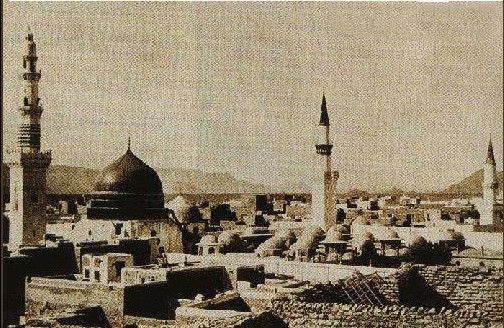
Facing severe persecution and an assassination plot from the ruling tribes of Mecca, Muhammad (PBUH) and his followers undertook a perilous migration to the city of Yathrib in 622 CE. This event, known as the Hijrah, was not merely an escape, but the founding of a new society. Yathrib was renamed 'Medina' (The City of the Prophet), and Muhammad (PBUH) transitioned from a persecuted preacher to a statesman, drafting the Constitution of Medina to unite diverse tribes. The Hijrah was so fundamentally transformative to human history that it marks the first year of the Islamic calendar.
Conflict Timeline
Battles in Life of Muhammad
Major confrontations that shaped the political and religious consolidation of the early Muslim community.
Prophet (PBUH) commanded 27 major battles (Ghazwat) while participating in a total of over 50 campaigns
11 January 630 CE
The Conquest Of Mecca
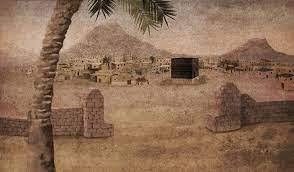
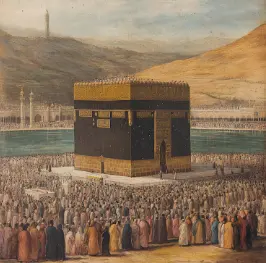
The Muslim army entered Makkah from four different directions to ensure total control with minimal resistance, Fatah-e-Makkah was the most peaceful conquest in human history led by the Prophet Muhammad PBUH. The victory in which the Muslims entered Mecca, removing idols from the Kaaba. This event effectively ended years of conflict between the Muslims and the Quraysh, transforming Makkah into the spiritual centre of Islam.
Related to Muhammand PBUH or Written on his Life
Books That Explain the ERA
Numerous biographies and historical texts vividly reconstruct the life of Prophet Muhammad (PBUH), offering a window into the era that changed the world. These works detail his profound character and the revolutionary social shifts he led, transforming the Arabian Peninsula into the heart of a global civilization.
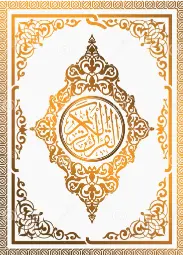
The Quran
The central religious text of Islam, revealed to Muhammad (PBUH) over 23 years. It forms the ultimate foundation of Islamic law, theology, and the Prophet's mission.
- Chapters (Surahs): 114
- Standardized: c. 650 CE
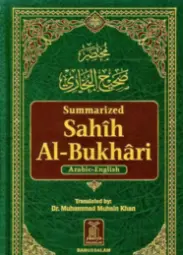
Sahih al-Bukhari
Widely considered the most authentic collection of the Prophet's quotes, actions, and silent approvals (Sunnah). The compiler spent 16 years verifying these accounts.
- Compiler: Imam al-Bukhari
- Completed: c. 846 CE
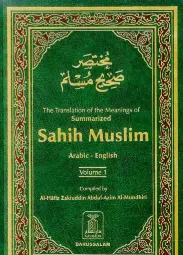
Sahih Muslim
The second most highly valued collection of Hadith in Sunni Islam. It is praised for its strict criteria of authenticity and logical thematic arrangement.
- Compiler: Imam Muslim
- Completed: c. 875 CE
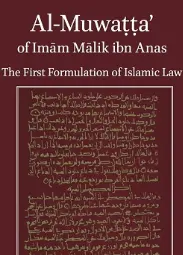
Al-Muwatta
One of the earliest written collections of Hadith and Islamic jurisprudence. It reflects the practices of the people of Medina shortly after the Prophet's era.
- Compiler: Imam Malik
- Era: c. 795 CE
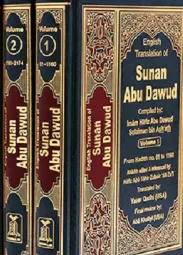
Sunan Abu Dawood
One of the six major Hadith collections (Kutub al-Sittah), heavily focused on legal traditions (Fiqh) derived from the Prophet's actions and rulings.
- Compiler: Abu Dawood
- Era: c. 888 CE
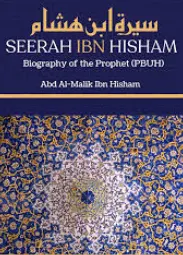
Sirat Rasul Allah (Seerah)
One of the earliest and most authoritative biographies detailing the life, struggles, and historical context of Muhammad (PBUH).
- Compiler: Ibn Ishaq / Ibn Hisham
- Era: c. 833 CE
Muhammad PBUH Mission Continued
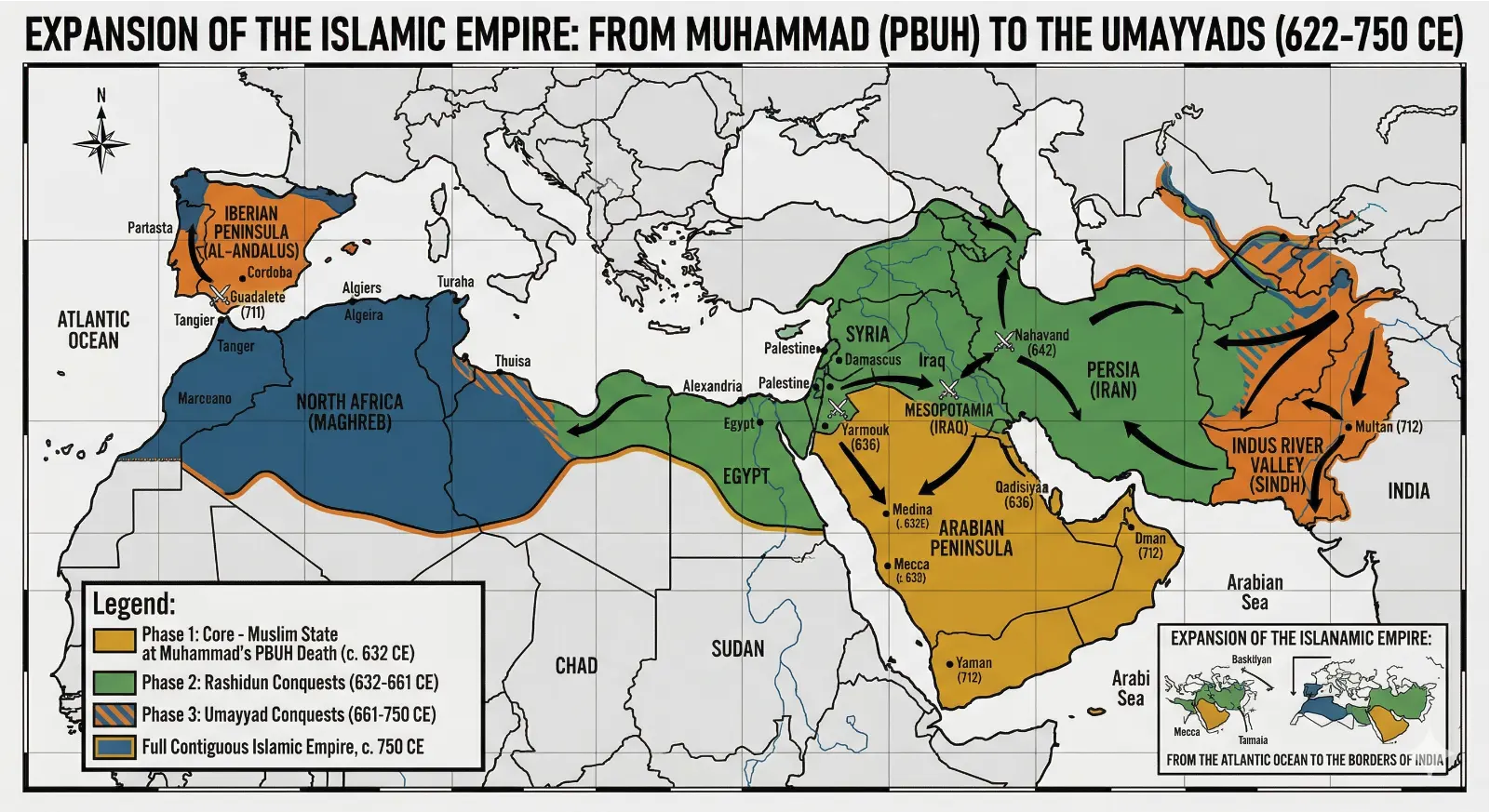
Islamic Empire (622CE - 750CE)
In just a few decades, the Islamic Empire grew with incredible speed, transforming from a small community into a global superpower. Starting in Arabia, its armies moved east and west, eventually defeating two of the world’s greatest powers: the Persians and the Byzantines. By the year 750, the empire was massive, stretching all the way from Spain in the west to the borders of India in the east. It was one of the largest empires the world had ever seen, bringing together people from many different cultures under one rule. This expansion created a huge network for trade and new ideas, making Arabic a common language for millions. It wasn't just a military success; it changed the map of the world forever.
Legacy
A Lasting Impact
Imagine looking back at the long story of human history. You rarely see someone who changes the world in just one way, let alone two. But Muhammad (PBUH) didn't just bring a new spiritual message, and he didn't just build a new nation—he somehow did both at the exact same time. In just twenty-three short years, he took a divided, warring group of desert tribes and brought them together as one people. He gave them a single belief and a completely new, fairer way to live together. His life wasn’t just a ripple in time; it was a massive wave that changed the map of the world forever, building a bridge between the East and the West.
But the most amazing part of his story isn't just what happened back in the seventh century—it's what is happening right now. Today, if you look around the globe, nearly two billion people still look to his life to figure out how to live their own everyday lives. From how they treat their neighbors and care for the poor, to the simple ways they wash and pray, they are still following his footsteps. Muhammad (PBUH) isn't just a character frozen in an old history book. For a quarter of the world, his story is still being lived out every single day, making his impact truly unlike anyone else's in the history of humanity.
Related Publications