Buddha

Buddha
Born c. 563 BCE • Died c. 483 BCE
Siddhartha Gautama (c. 563 - c. 483 BCE), known as the Buddha or 'the Awakened One', was a prince of the Shakya clan who renounced his royal life, attained enlightenment at Bodh Gaya, and spent 45 years teaching the Four Noble Truths and the Noble Eightfold Path, founding what became Buddhism.
Rank
#4
Influence
97
Field
Religious Leader
Editorial Overview
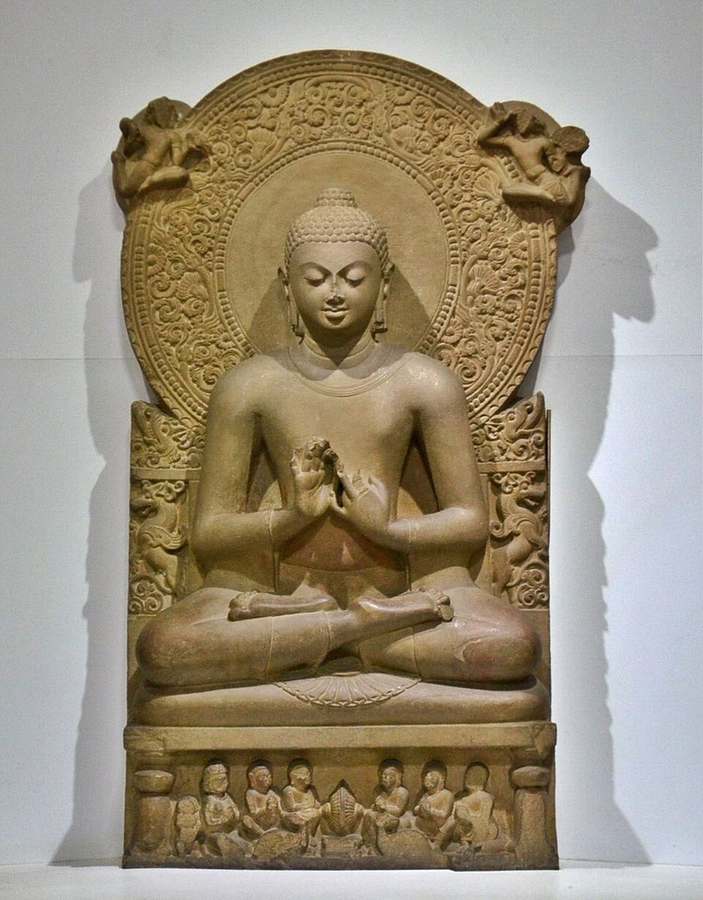
Born around 563 BCE in Lumbini to Queen Maya and King Suddhodana of the Shakya clan, Siddhartha Gautama was raised in royal comfort in Kapilavastu. According to tradition, sheltered encounters with an old man, a sick person, a corpse, and a wandering ascetic - the 'Four Sights' - shattered his belief that privilege could shield anyone from suffering. At age 29 he left his palace, wife Yasodhara, and infant son Rahula in what is known as the Great Departure, seeking a way beyond old age, sickness, and death. After six years of extreme asceticism failed to bring answers, he adopted a 'Middle Way' between indulgence and self-denial, and at age 35, after 49 days of meditation beneath a Bodhi tree in Bodh Gaya, he attained enlightenment. For the next 45 years he taught across the Gangetic plain, founding a monastic order, the Sangha, before dying at about 80 in Kushinagar. Scholars debate the precise dates - the traditional 'long chronology' used here (c. 563-483 BCE) is favored by Theravada tradition and many reference works, while a growing body of modern scholarship places his death closer to 400 BCE.
Influence Meter
97
Measured on a 100-point scale
Enlightenment that reshaped spirituality across Asia and the world
Profile Chapter
A Prince of the Shakya Clan
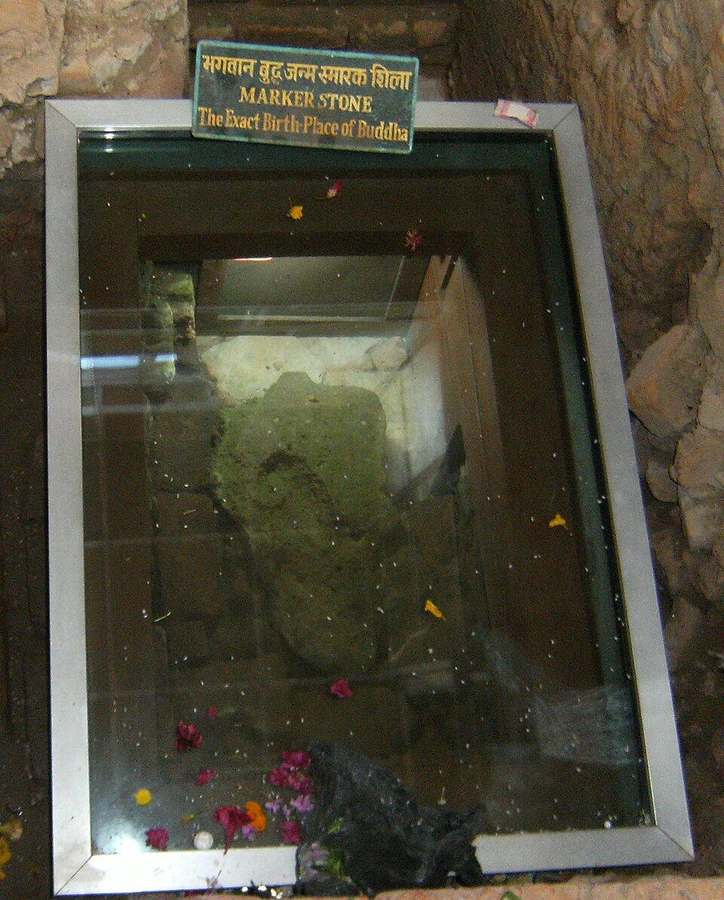
Siddhartha Gautama was born in Lumbini, in the foothills of the Himalayas in present-day Nepal, to Queen Maya and King Suddhodana, an elected chief of the Shakya clan. Raised in the palace at Kapilavastu, he married Yasodhara and had a son, Rahula. Buddhist tradition holds that his father, wishing to spare him a life of pain, kept him surrounded by luxury and shielded from illness, aging, and death - a shelter that would not last.
Age 29
The Great Departure
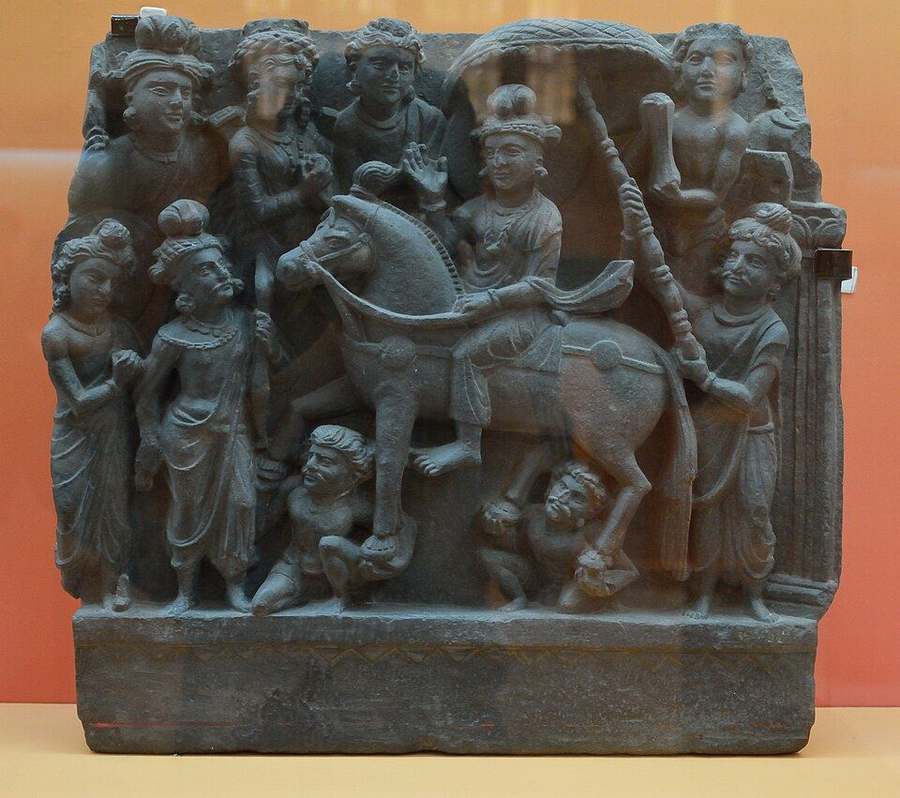
Venturing beyond the palace walls, Siddhartha encountered what tradition calls the Four Sights: an old man, a sick person, a corpse, and a wandering ascetic. Confronted for the first time with old age, disease, and death, and struck by the ascetic's apparent peace, he resolved to find a way beyond suffering. At age 29 he left his family and royal title behind, riding out of Kapilavastu on his horse Kanthaka to become a wandering seeker.
Bodh Gaya, c. 528 BCE
Six Years to the Middle Way
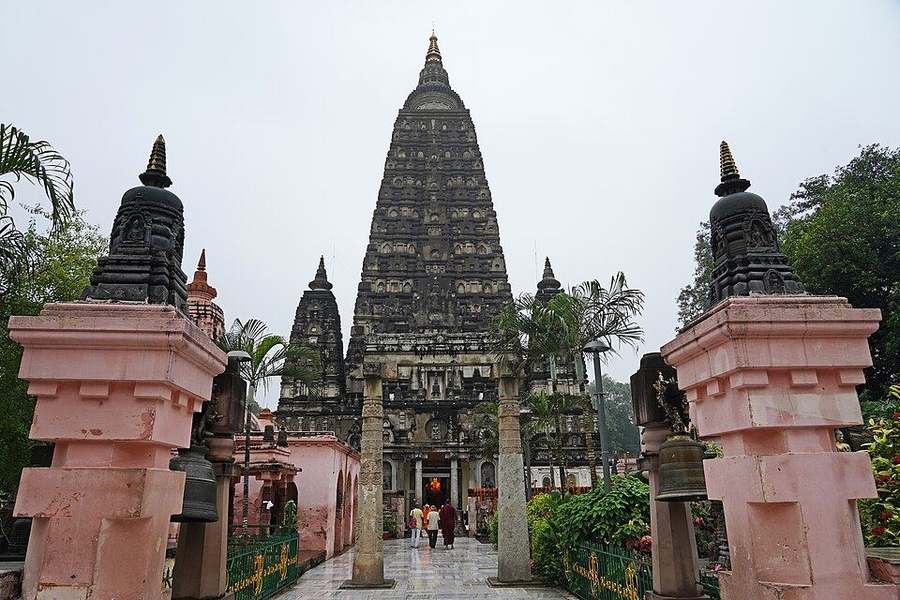
For six years Siddhartha studied under renowned meditation teachers and practiced extreme self-denial alongside a group of ascetics, at one point nearly starving himself to death. Concluding that neither indulgence nor severe austerity led to liberation, he adopted a 'Middle Way' between the two. Seated beneath a fig tree at Bodh Gaya - later known as the Bodhi Tree - he vowed not to rise until he found the answer to suffering, and after 49 days of meditation attained enlightenment at age 35, becoming the Buddha, 'the Awakened One'.
Life Timeline
Milestones in the Life of the Buddha
Key events traditionally dated using the 'long chronology' (c. 563-483 BCE) followed by Theravada Buddhism and many reference works.
The Buddha's teachings were preserved entirely from memory by generations of monks. The Pali Canon was not committed to writing until roughly 29 BCE in Sri Lanka - about 450 years after his death.
Core Teaching
The Four Noble Truths
In his first sermon at Sarnath, the Buddha set out the framework that underlies all of his later teaching: the Four Noble Truths. The first truth, dukkha, holds that suffering, dissatisfaction, and unease are an inescapable part of existence. The second, samudaya, traces the origin of that suffering to craving - for pleasure, for existence, or for non-existence.
The third truth, nirodha, holds that this craving, and the suffering it produces, can be brought to an end. The fourth, magga, sets out the way to that end: the Noble Eightfold Path, a practical, graduated discipline of ethical conduct, mental cultivation, and wisdom rather than a set of metaphysical doctrines to be simply believed.
The Path to Liberation
The Noble Eightfold Path
The fourth Noble Truth, grouped by Buddhist tradition into three disciplines: wisdom, ethical conduct, and mental cultivation.
Preserving the Dharma
Texts That Carry the Teaching
The Buddha left no writings of his own. His words were memorized and chanted by the monastic Sangha for centuries before being written down, and later traditions added their own scriptures as Buddhism spread and diversified.
Tripitaka (Pali Canon)
The earliest complete surviving collection of the Buddha's teachings, recited and agreed upon at the First Council roughly three months after his death, then preserved orally by the Sangha.
- First written down: c. 29 BCE, Sri Lanka
- Structure: Three 'baskets' (Vinaya, Sutta, Abhidhamma)
Dhammapada
A collection of verses on ethics and the path to awakening, among the most widely translated Buddhist texts in the world.
- Verses: 423
- Composed: c. 3rd century BCE
Dhammacakkappavattana Sutta
The record of the Buddha's first teaching at the Deer Park in Sarnath, delivered to five former ascetic companions, setting the Four Noble Truths and Eightfold Path in motion.
- Delivered at: Sarnath, Deer Park
- Audience: Five ascetics
Heart Sutra
The most widely recited, copied, and studied scripture in East Asian Buddhism, distilling the doctrine of emptiness (shunyata) into a few hundred words.
- Tradition: Mahayana
- Central idea: Emptiness (shunyata)
Diamond Sutra
A 'perfection of wisdom' text central to Zen/Chan Buddhism. A 9th-century Chinese copy found at Dunhuang is the world's oldest complete dated printed book.
- Oldest printed copy: 868 CE, Dunhuang
- Now held at: The British Library
3rd Century BCE Onward
From the Gangetic Plain to a World Religion
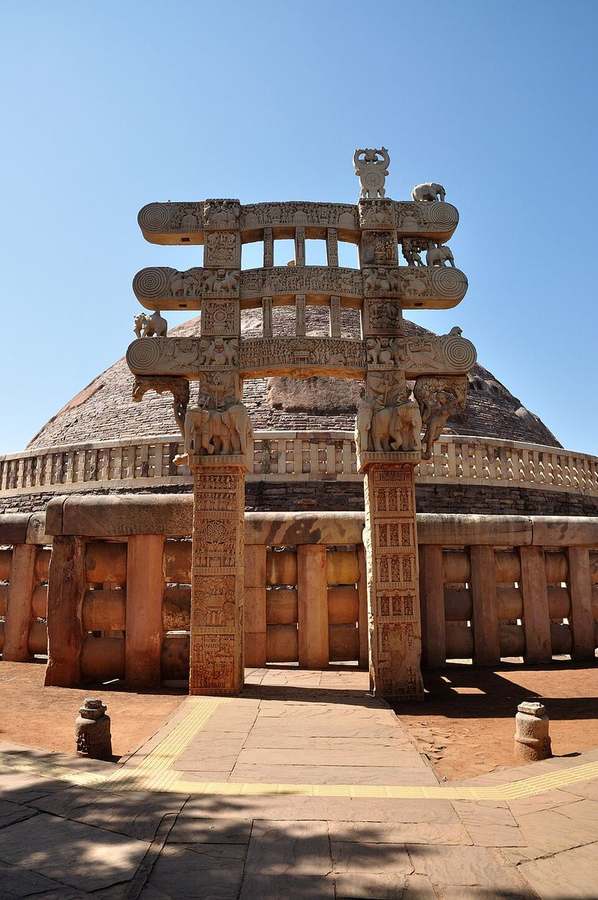
Buddhism remained a regional Indian tradition until the Mauryan emperor Ashoka, who ruled roughly a century after the Buddha's death, embraced it and convened the Third Buddhist Council at Pataliputra around 250 BCE. Ashoka dispatched Buddhist missionaries across and beyond his empire - including his own son, Mahinda, to Sri Lanka - carrying the teaching into Central Asia, Sri Lanka, and Southeast Asia, from where it later spread into China, Korea, Japan, and Tibet, diversifying into the Theravada, Mahayana, and Vajrayana traditions practiced today.
Legacy
A Teaching Still Practiced Today
More than two and a half thousand years after his death, the Buddha's framework for understanding suffering and cultivating the mind remains one of the most influential bodies of thought in human history. According to Pew Research Center, roughly 324 million people identified as Buddhist in 2020 - about 4.1% of the world's population - with 98% of them living in the Asia-Pacific region where the tradition first took root and later diversified into Theravada, Mahayana, and Vajrayana schools across South, Southeast, and East Asia.
Beyond its adherents, the Buddha's emphasis on impermanence, non-attachment, and disciplined attention has reshaped fields far outside religion: meditation and mindfulness practices derived from Buddhist training are now used in clinical psychology and secular wellness programs worldwide, and Buddhist philosophy continues to be studied alongside the other great ethical traditions in universities across the globe.
Related Publications