Jesus of Nazareth


Jesus of Nazareth
Born c. 4 BCE • Died 30/33 CE
Jesus of Nazareth (c. 4 BCE - 30/33 CE) is the central figure of Christianity. His life, teachings, death, and believed resurrection formed the foundation of the world's largest religion and profoundly shaped Western civilization.
Rank
#3
Influence
98
Field
Religious Leader
Historical Perspective
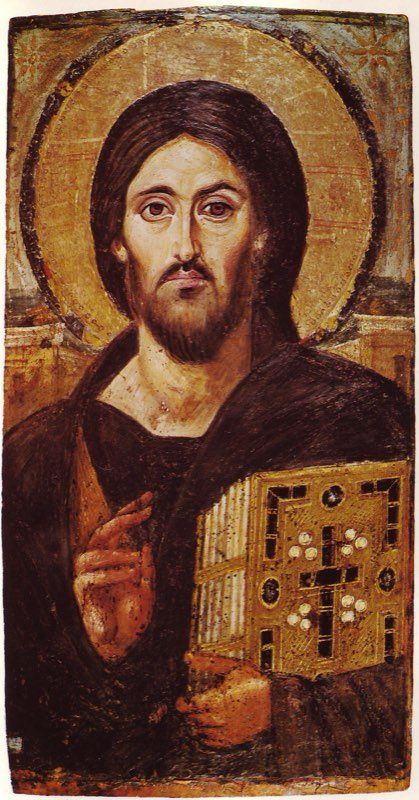
Emerging from the Galilee region of first-century Roman Judea, Jesus of Nazareth led a brief public ministry centered on the Kingdom of God, repentance, and radical compassion. Historians broadly agree on two anchor facts about his life: that he was baptized by John the Baptist and that he was crucified on the order of the Roman prefect Pontius Pilate. From his execution, the conviction among his followers that he had risen from the dead became the catalyst that turned a small Jewish movement into Christianity, which today is the world's largest religion. His life fundamentally shaped the trajectory of Western civilization, global ethics, art, and even the calendar most of the world now uses, earning him the #3 place on Michael Hart's ranking of the most influential people in history.
Influence Meter
98
Measured on a 100-point scale
World-shaping influence
Profile Chapter
Early Life
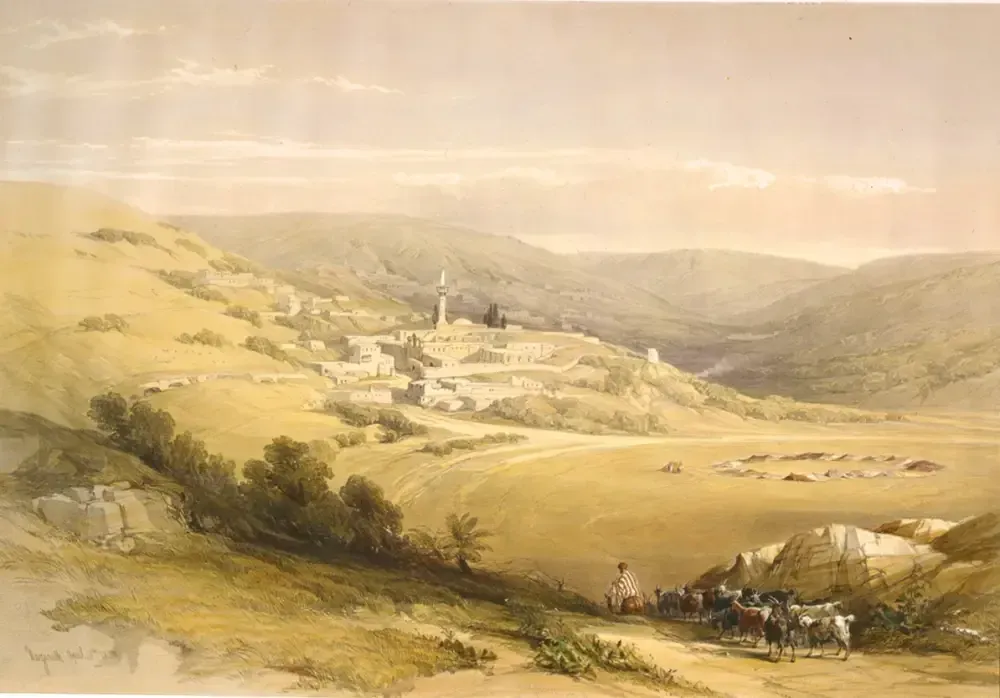
According to the Gospels, Jesus was born in Bethlehem shortly before the death of King Herod the Great in 4 BCE, and was raised in the small Galilean town of Nazareth within the religious and social realities of Roman Judea. Before beginning his public ministry, tradition holds that he lived an ordinary life as an artisan, a background that shaped the grounded imagery, moral clarity, and human closeness found throughout his teaching.
The Public Ministry
Baptism and the Call
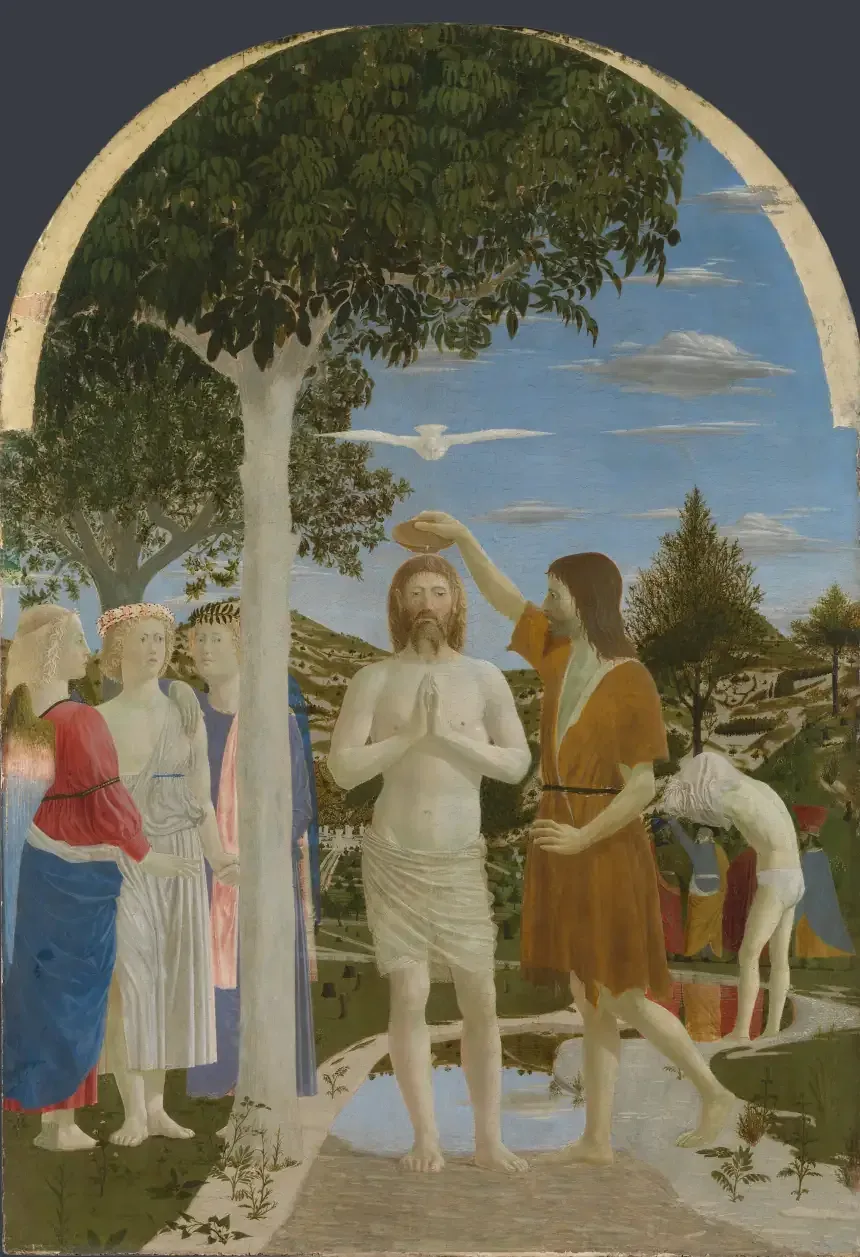
Jesus began his public life when he was baptized by John the Baptist, an event that historians regard as one of the most secure facts about him. From there he moved through the towns and shores of Galilee, gathering both male and female followers, debating with fellow Jews on how best to live according to God's will, and drawing crowds with a message of the coming Kingdom of God. Reports of healings and exorcisms spread his reputation quickly across the region.
Among historians, two events about Jesus command almost universal assent: that he was baptized by John the Baptist, and that he was crucified on the order of the Roman prefect Pontius Pilate, who governed Judea from 26 to 36 CE.
The Message
Teaching in Parables
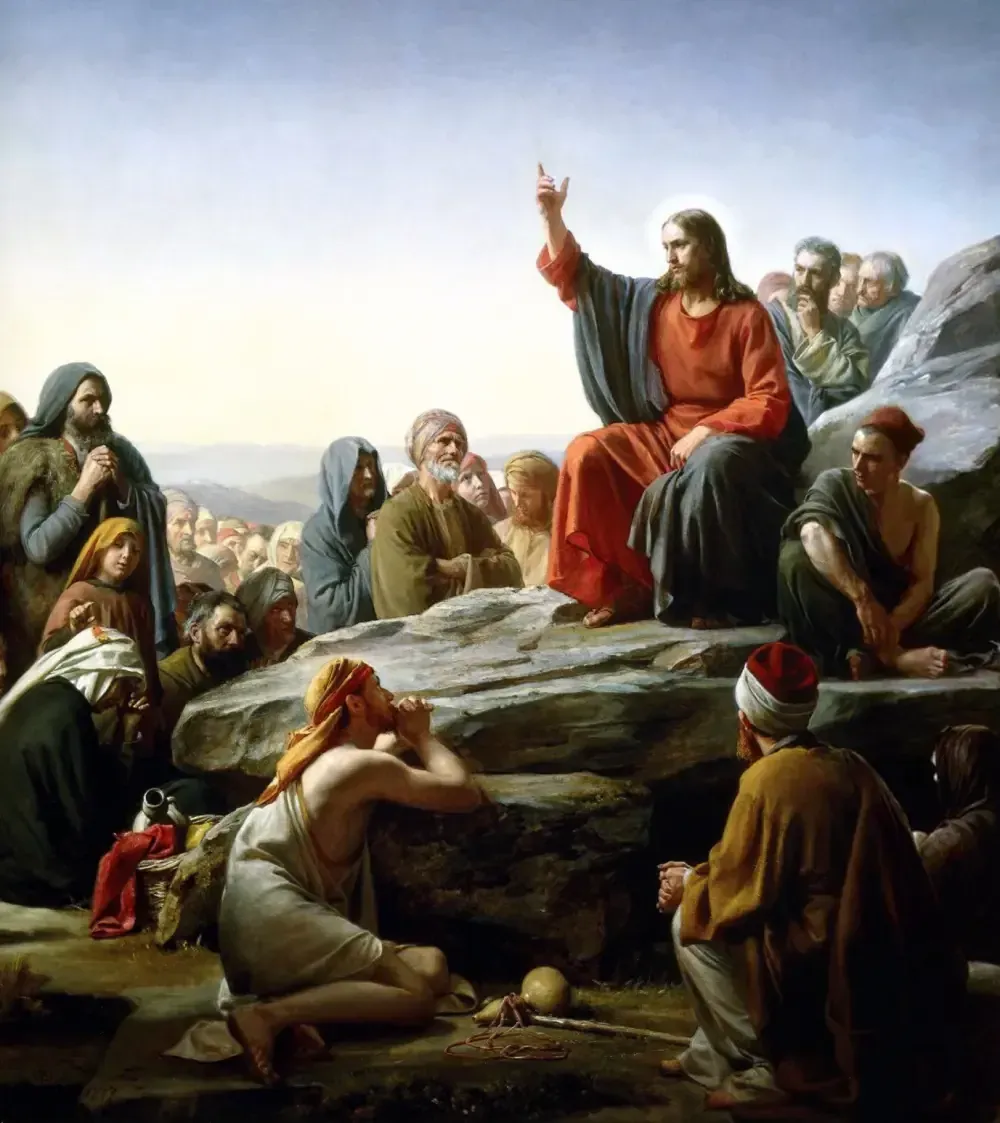
Jesus taught largely through parables, short vivid stories drawn from farming, fishing, and everyday village life that carried moral and spiritual meaning. Collections such as the Sermon on the Mount gathered his ethical teaching on humility, forgiveness, love of enemies, and care for the poor. These precepts, insofar as they differed from the Judaism of his day, became the moral core of Christianity and have echoed through Western ethics, law, and culture for two thousand years.
Chronology
The Life of Jesus
A historical outline of the life of Jesus, reconstructed from the Gospels and the scholarly study of Roman-era Judea. Dates are approximate; ancient sources rarely allow precision.
c. 30-33 CE
The Crucifixion in Jerusalem
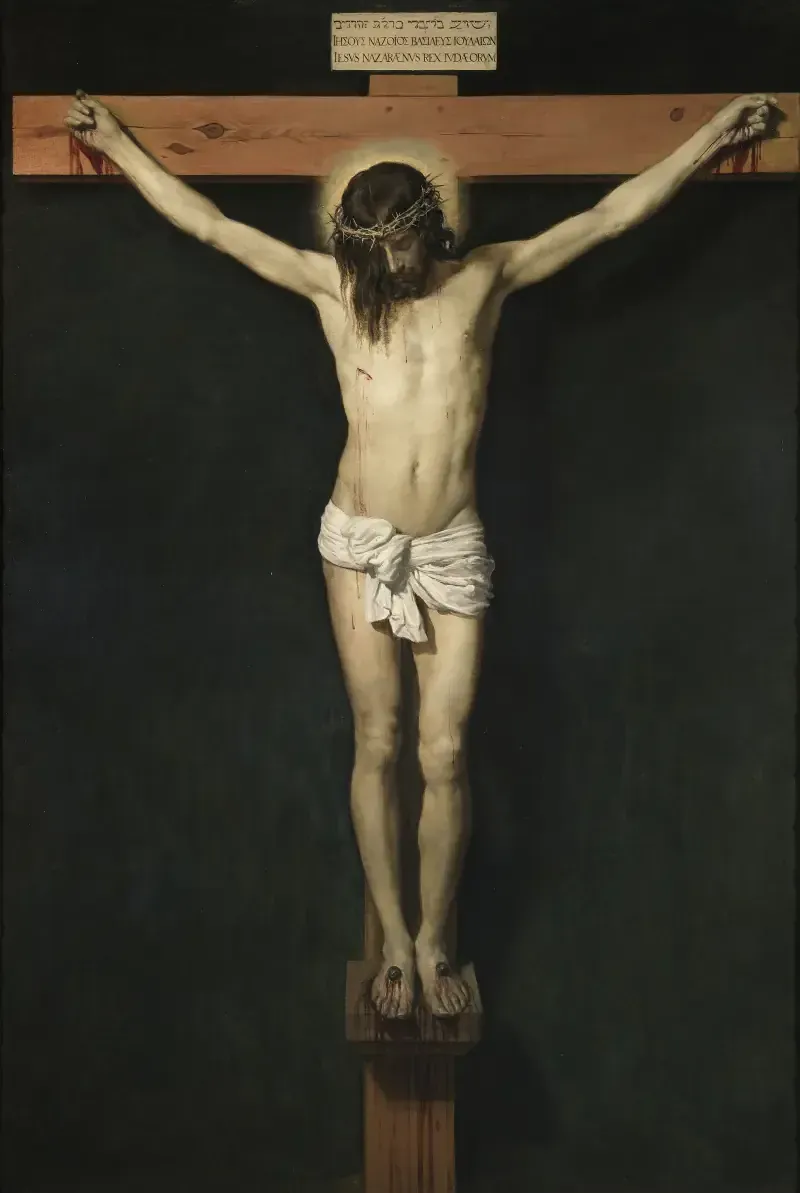
Near the end of his ministry Jesus travelled to Jerusalem, where his teaching and growing following brought him into conflict with religious and Roman authorities. He was arrested, tried, and executed by crucifixion, a standard Roman punishment, on the order of Pontius Pilate. Because Pilate served as prefect of Judea from 26 to 36 CE, and drawing on the Gospel timelines, scholars place the crucifixion around 30 or 33 CE. It is the single most firmly attested moment of his life.
The Movement Spreads
From a Local Sect to a World Faith
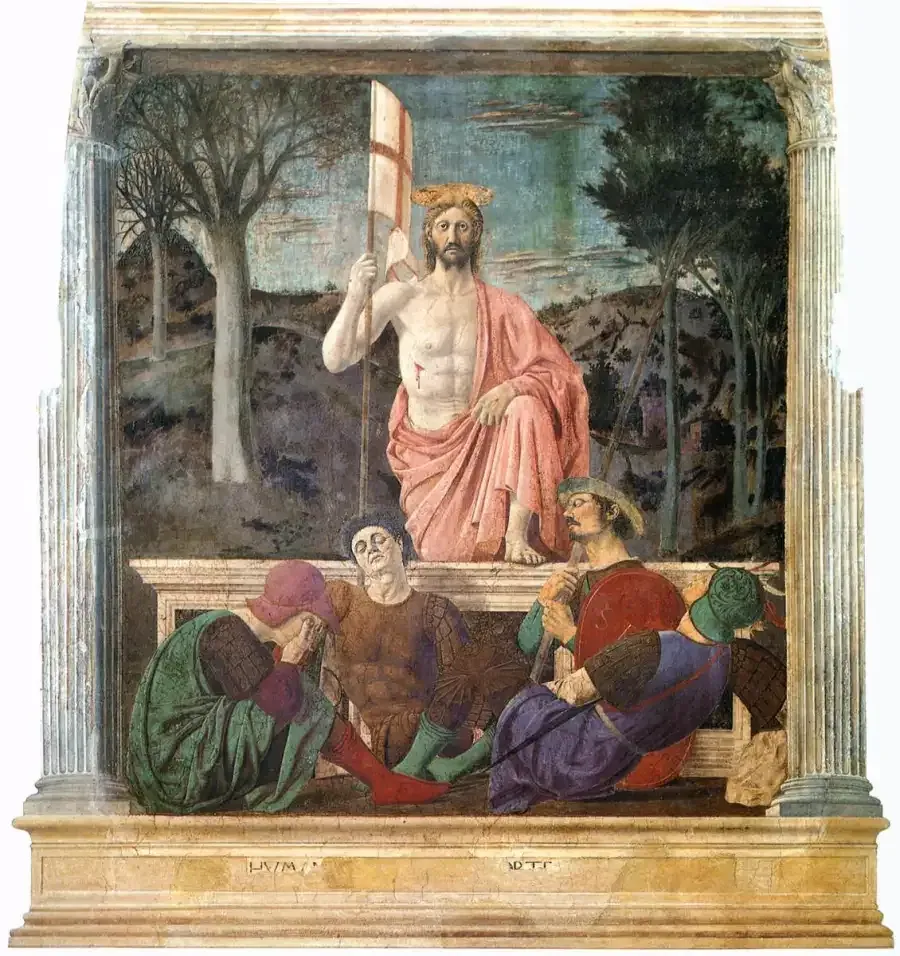
For Christians, the defining event is the resurrection: the belief that Jesus rose from the dead three days after his crucifixion. Whatever a historian concludes about the event itself, the conviction of his earliest followers is not in doubt, and it became the engine that carried the movement outward. Within a few generations, aided by tireless missionaries such as the apostle Paul, a small Jewish sect in Judea had spread across the Roman Empire, eventually reshaping the religious map of the entire Western world.
Primary Sources
The Four Gospels
Almost everything known about the life and teaching of Jesus comes from the four canonical Gospels of the New Testament. Most scholars date them to the first century, with Mark written first and used as a source by Matthew and Luke, while John stands somewhat apart. The traditional author names are attached by later tradition; the texts themselves are formally anonymous.

Gospel of Mark
Widely held to be the first Gospel written and a source for Matthew and Luke. The shortest and most direct of the four, focused on Jesus' actions.
- Scholarly Date: c. 70 CE
- Order: First written
Gospel of Matthew
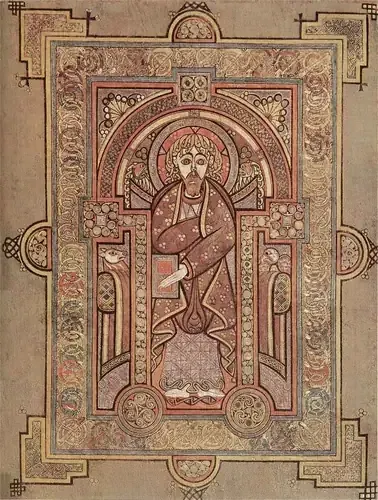
Draws on Mark and presents Jesus as the fulfilment of Jewish scripture. Contains the Sermon on the Mount, a major collection of his ethical teaching.
- Scholarly Date: c. 80-90 CE
- Feature: Sermon on the Mount
Gospel of Luke
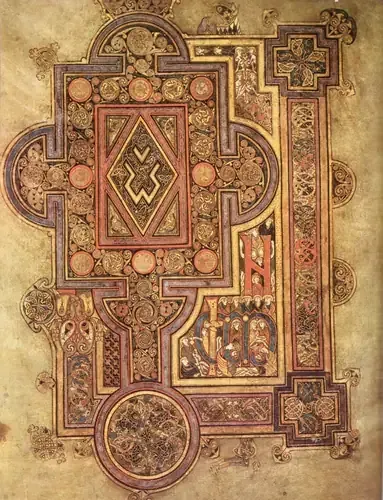
Also draws on Mark and shares material with Matthew. Emphasizes compassion for the poor and outsiders, and is paired with the Acts of the Apostles.
- Scholarly Date: c. 80-90 CE
- Companion: Acts of the Apostles
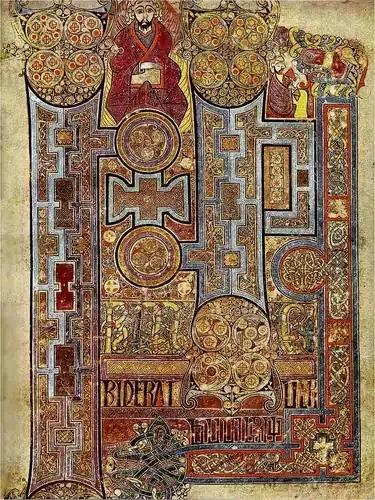
Gospel of John
The last of the four and distinct in style and theology, presenting extended discourses rather than parables and emphasizing the divine identity of Jesus.
- Scholarly Date: c. 90-100 CE
- Order: Last written
Christianity and the Empire
From Persecution to Nicaea
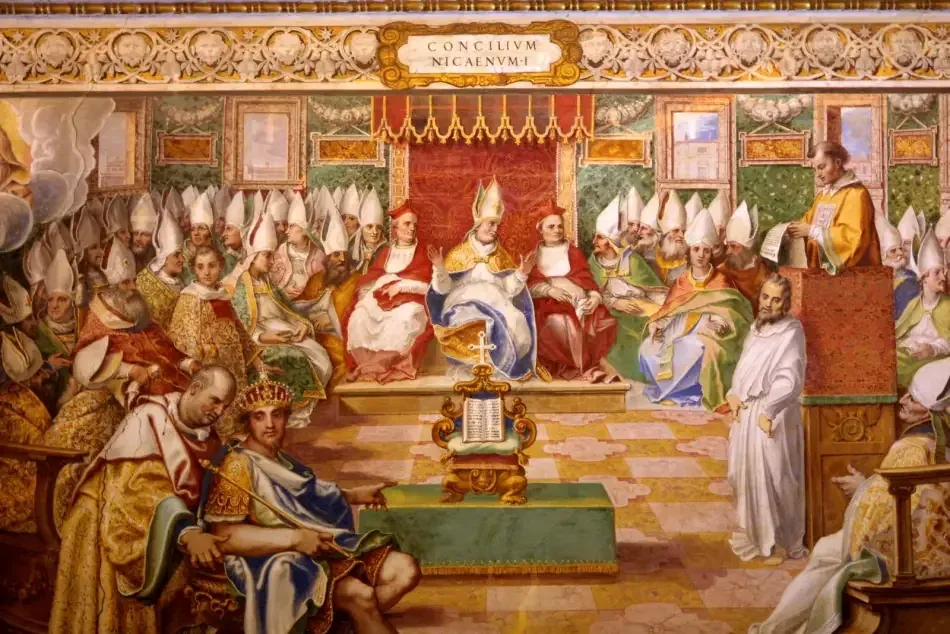
For its first three centuries Christianity spread as a persecuted minority faith. The turning point came under Emperor Constantine: the Edict of Milan in 313 CE legalized Christian worship across the Roman Empire, and in 325 CE Constantine convened the First Council of Nicaea, a gathering of at least 200 bishops that produced the Nicene Creed and affirmed the divinity of Christ. Within a lifetime, the movement Jesus began had moved from the margins to the center of Roman power.
The world's dominant calendar counts its years from Jesus' estimated birth. In 525 CE the monk Dionysius Exiguus devised the Anno Domini (AD) system around that date; refined into the Gregorian calendar in 1582, it is now the civil calendar of most of the world.
Global Reach Today
The World's Largest Religion
Two thousand years after his death, the movement that began with Jesus is the largest religion on Earth. According to the Pew Research Center, there were about 2.3 billion Christians in 2020, roughly 28.8% of the world's population and the single largest religious group globally.
Christianity is present on every continent, and its fastest growth today is in the global south, across Africa and Asia, rather than in the Western societies it once defined. Few figures in history have left a footprint that is still expanding across the world two millennia after they lived.
Legacy
Why Number Three
In Michael Hart's ranking of the 100 most influential people in history, Jesus is placed third rather than first. Hart's reasoning is not a judgement on Jesus' importance but on how influence is shared: while Jesus supplied the ethical and moral core of Christianity, Hart argues that the apostle St. Paul did much of the work of building its theology and spreading it, so the credit for the faith's development is divided between them.
Even at number three, the reach is staggering. The ethics of the Sermon on the Mount, centuries of Western art and music, the framing of law and human dignity, and the very calendar on the wall all trace a line back to a first-century Galilean teacher. Whether measured by believers, by centuries, or by the shape of a civilization, few lives have echoed as far.
Related Publications