Confucius

Confucius
Born c. 551 BCE • Died 479 BCE
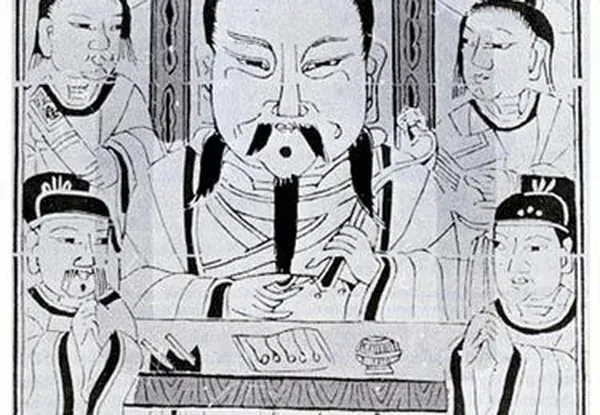
Confucius (c. 551 - 479 BCE) was a Chinese philosopher, teacher, and political theorist of the state of Lu whose ideas on ethics, ritual, and government - later compiled by his disciples as the Analects - became the moral and educational foundation of Chinese civilization and, through Confucianism, shaped social and political life across Korea, Japan, and Vietnam for more than two thousand years.
Rank
#5
Influence
96
Field
Philosopher
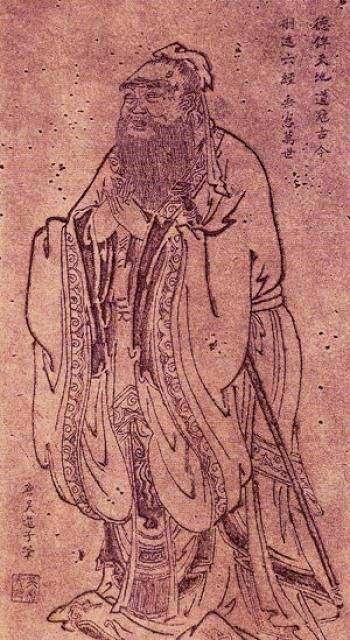
Editorial Overview
Born around 551 BCE in Zou, a town in the state of Lu near present-day Qufu in Shandong province, Confucius (Kong Qiu) lost his father, the elderly officer Kong He, at about age three, and was raised in modest circumstances by his mother, Yan Zhengzai. He married at 19, worked as a minor official managing granaries and herds, and built a reputation for learning and integrity that carried him, by 501 BCE, into government service in Lu, eventually rising to the post of Minister of Crime. Political rivalries and the partial failure of his reforms drove him from Lu in 497 BCE, beginning fourteen years of travel through the states of the North China Plain with a devoted circle of disciples, always searching for a ruler willing to govern by virtue rather than force. He returned to Lu around 484 BCE at about age 68 and spent his final years teaching, reportedly instructing more than 3,000 students over his lifetime, of whom roughly 72 mastered the Six Arts. He died in 479 BCE at about 72; his students later assembled his sayings into the Analects, and his teachings on benevolence, ritual propriety, and moral government went on to become the state ideology of imperial China for two thousand years.
Influence Meter
96
Measured on a 100-point scale
Ethical and educational foundation of Chinese civilization for over two millennia
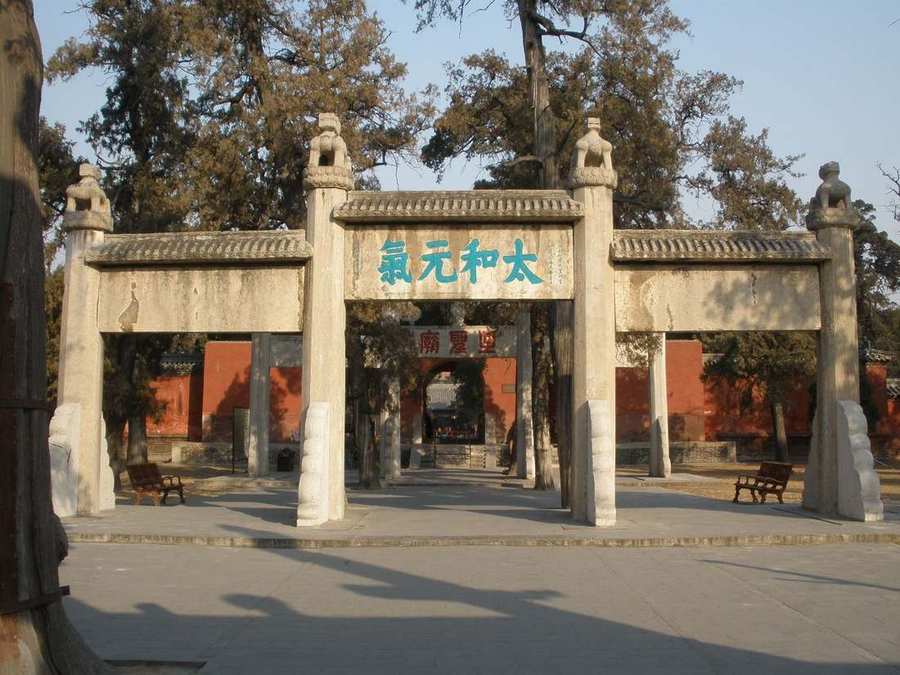
Profile Chapter
A Childhood in the State of Lu
Confucius was born around 551 BCE in the small town of Zou in the state of Lu, part of the historic Chinese heartland now in Shandong province. His father, Kong He, an elderly military officer, died when Confucius was about three years old, leaving his mother, Yan Zhengzai, to raise him in modest circumstances. According to tradition he threw himself into study from an early age, working as a young man managing granaries and herds for the powerful Ji family before earning a name for scholarship, ritual knowledge, and personal integrity that outlasted his humble origins.
Political Career
From Governor to Minister of Crime
Confucius entered government service relatively late in life, becoming governor of a town in Lu around 501 BCE and rising within a few years to the post of Minister of Crime, one of the state's senior offices. In this role he reportedly pressed the powerful Ji, Meng, and Shu families - the 'Three Huan' who dominated Lu's politics - to dismantle fortified private strongholds that undermined the ruling duke's authority, a reform aimed at restoring what Confucius saw as the proper, ritually sanctioned order between ruler and minister.
The reform succeeded only partially, and court intrigue eroded Confucius's influence at court. In 497 BCE, at about age 54, he resigned and left Lu, beginning fourteen years traveling from state to state in search of a ruler willing to govern according to his principles.
497-484 BCE
Fourteen Years on the Road
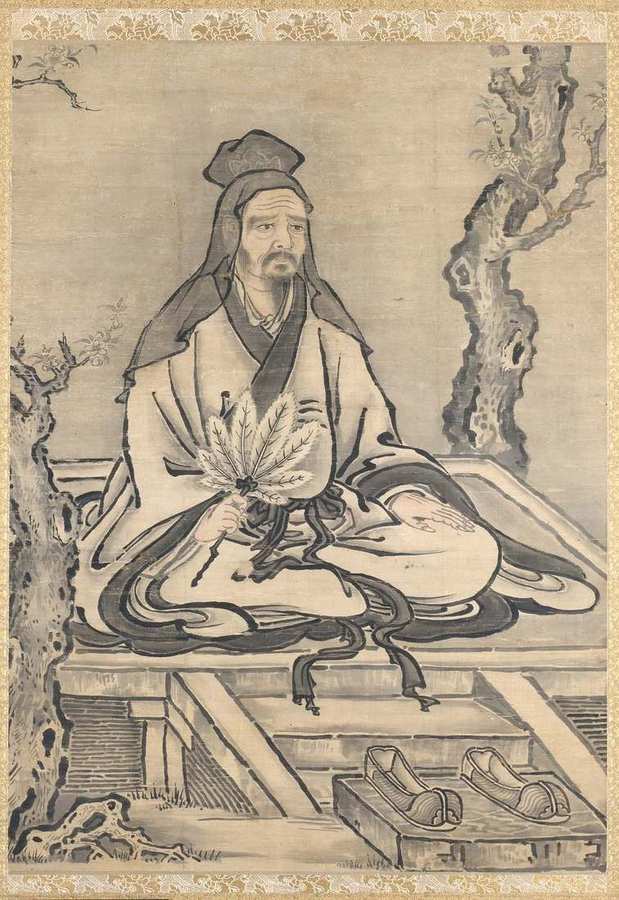
For fourteen years Confucius traveled with a devoted circle of disciples through the states of Wey, Song, Zheng, Cao, Chu, Qi, Chen, and Cai, offering counsel to rulers who rarely acted on it and facing danger, hunger, and political suspicion along the way. Tradition holds that he taught wherever he went, refusing no student who could offer even a token payment of dried meat, and that it was during these years that his reputation as a teacher - rather than as a would-be statesman - became the foundation of his lasting influence. He returned to Lu around 484 BCE, at about 68, and spent his last years teaching and reportedly working on classical texts rather than seeking office again.
Life Timeline
Milestones in the Life of Confucius
Key events in a life that moved from minor official to wandering teacher to, centuries later, the philosophical foundation of the Chinese state.
Confucius is said to have taught more than 3,000 students over his lifetime, of whom about 72 mastered the Six Arts he considered essential to a well-rounded education: ritual, music, archery, charioteering, calligraphy, and mathematics.
Core Philosophy
Ren, Li, and the Noble Person
At the center of Confucius's teaching stands ren, usually translated as benevolence, humaneness, or goodness - a quality of empathetic, warm attentiveness toward others that Confucius considered the foundation of all worthwhile human conduct. Ren is cultivated, not innate; it grows through daily self-examination, the discipline of learning, and the practice of li, the rites and forms of proper conduct that give moral feeling its outward, socially legible shape - from the rituals of ancestral worship to the everyday courtesies between ruler and subject, parent and child, or friend and friend.
Confucius held up the junzi, often rendered 'gentleman' or 'noble person', as the ideal produced by this lifelong process of self-cultivation - someone whose ren and li are so thoroughly internalized that right action becomes second nature, regardless of birth or rank. Asked by a disciple for a single word to live by, Confucius is recorded in the Analects as offering shu, or reciprocity, in a formulation now often called the Silver Rule: 'Do not impose on others what you yourself do not desire.'
Confucian Ethics
The Five Relationships
Confucius taught that a stable and harmonious society begins with individuals fulfilling their responsibilities within five basic human relationships, each governed by mutual, though not equal, obligation.
Confucian Canon
Texts That Carry the Teaching
Confucius left no writings that survive in his own hand. What is known of his teaching comes from texts compiled, edited, or attributed to him by later generations of disciples and scholars, forming the core curriculum of Chinese education for two thousand years.
The Analects (Lunyu)
A collection of Confucius's sayings and dialogues with his disciples, compiled from individual disciples' notes and jointly edited after his death.
- Structure: 20 books, c. 499 passages
- Final form: c. 300 BCE - mid-Han Dynasty
The Five Classics (Wujing)
Five ancient texts - the Book of Songs, Book of Documents, Book of Rites, the I Ching, and the Spring and Autumn Annals - traditionally said to have been compiled, edited, or transmitted by Confucius.
- Number of texts: 5
- Adopted as state curriculum: 136 BCE
The Four Books (Sishu)
The Analects, the Mencius, the Great Learning, and the Doctrine of the Mean, selected and annotated by the Song-dynasty scholar Zhu Xi as the core introduction to Confucian thought.
- Compiled by: Zhu Xi (1130-1200 CE)
- Examination curriculum: 1313-1905 CE
Mencius (Mengzi)
Records the teachings of Mencius (c. 372-289 BCE), the most influential later interpreter of Confucius, who argued that human nature is fundamentally good and elaborated Confucian political philosophy.
- Subject: Mencius, c. 372-289 BCE
- Status: Second most important Confucian text
136 BCE Onward
From Philosophy to State Doctrine
For nearly three centuries after his death, Confucius's teachings competed with rival schools of thought for influence in China. That changed under Emperor Wu of Han, who in 136 BCE established official 'Erudite' posts for the Five Classics and founded an Imperial University to train officials in Confucian learning, effectively making Confucianism the state orthodoxy. Centuries later, the Song-dynasty scholar Zhu Xi's Four Books became, from 1313 until the system's abolition in 1905, the core curriculum of China's imperial civil service examinations - a nearly two-thousand-year arrangement in which mastery of Confucian texts, not birth, helped determine who governed the world's largest empire.
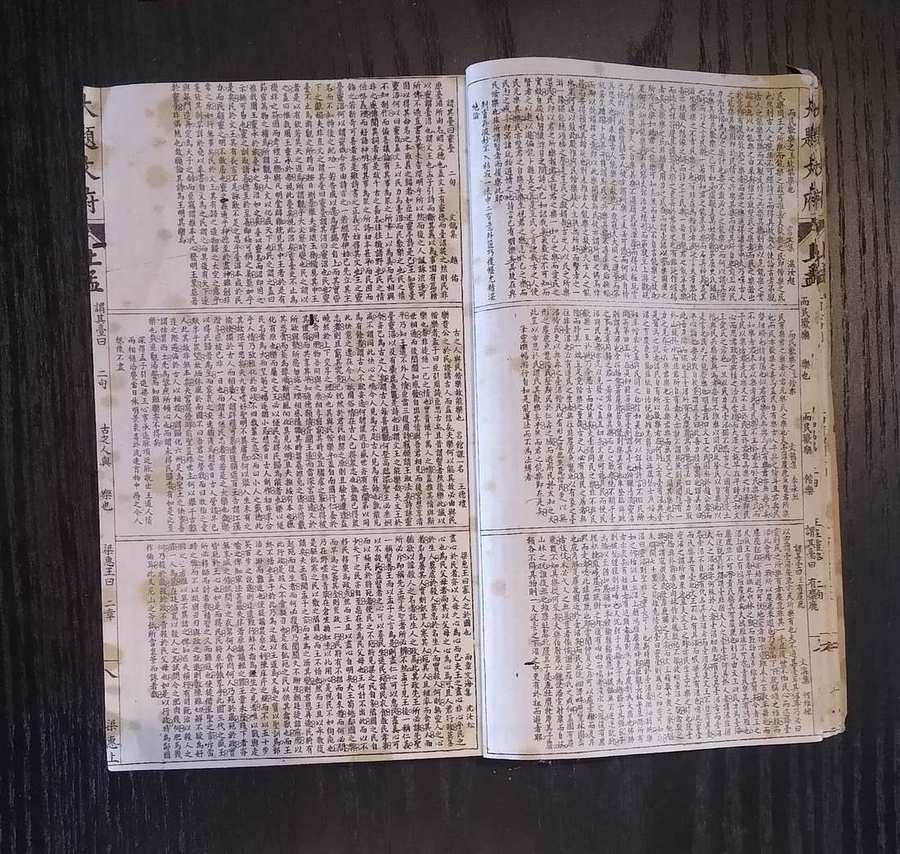
The Kong family genealogy, first compiled in 1085 CE and now spanning more than 80 generations and roughly two million recorded descendants of Confucius, is recognized by Guinness World Records as the world's longest family tree.
Beyond China
A Shared Ethical Language Across East Asia
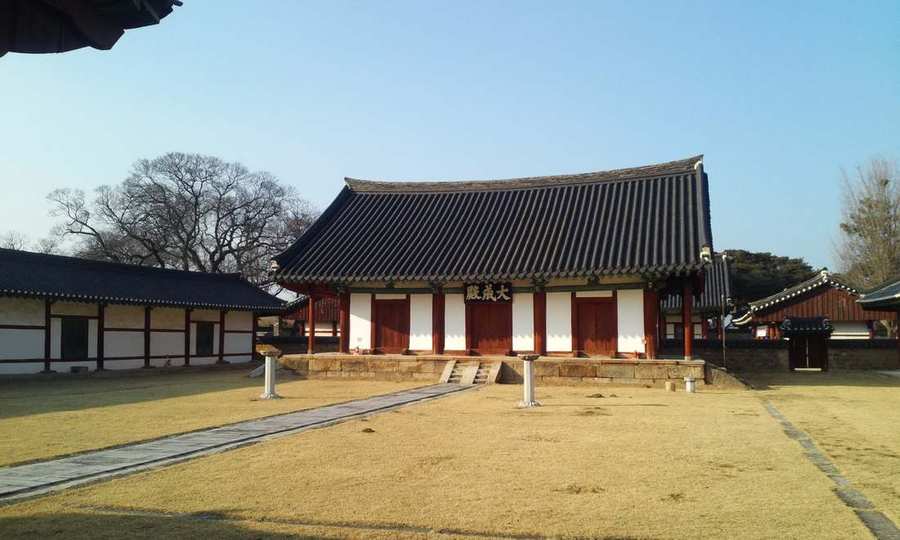
Confucian learning spread from China into Korea, Japan, and Vietnam through education, statecraft, and shared classical texts, taking root differently in each society. In Korea, the Joseon dynasty, founded in 1392, dismantled the preceding Buddhist establishment and installed Neo-Confucianism as the state's official ideology, modeling its own civil service examination (gwageo) directly on the Chinese system. Japan and Vietnam adapted Confucian ethics and administrative models to their own political structures, and Confucian academy shrines like Korea's hyanggyo, seen here, still hold ceremonial rites in his honor today.
Legacy
A Sage Still Consulted Today
More than two thousand years after his death, the Temple and Cemetery of Confucius and the Kong Family Mansion in Qufu were inscribed as a UNESCO World Heritage Site in 1994, honoring the birthplace of a moral and educational tradition that shaped ideas of virtue, family duty, and good government across East Asia for two millennia.
Confucius's name still carries global reach in less traditional ways too: the Chinese government's network of Chinese-language and cultural centers named after him, the Confucius Institutes, numbered roughly 498 across more than 160 countries and regions at the end of 2023, even after a wave of closures in the United States and parts of Europe in the 2020s. Two and a half thousand years after his death, the questions he asked about self-cultivation, family duty, and good government remain part of the shared ethical vocabulary of societies across China, Korea, Japan, and Vietnam, and among Chinese communities worldwide.
Related Publications