Christopher Columbus

Christopher Columbus
Born Between 25 August and 31 October 1451 • Died 20 May 1506
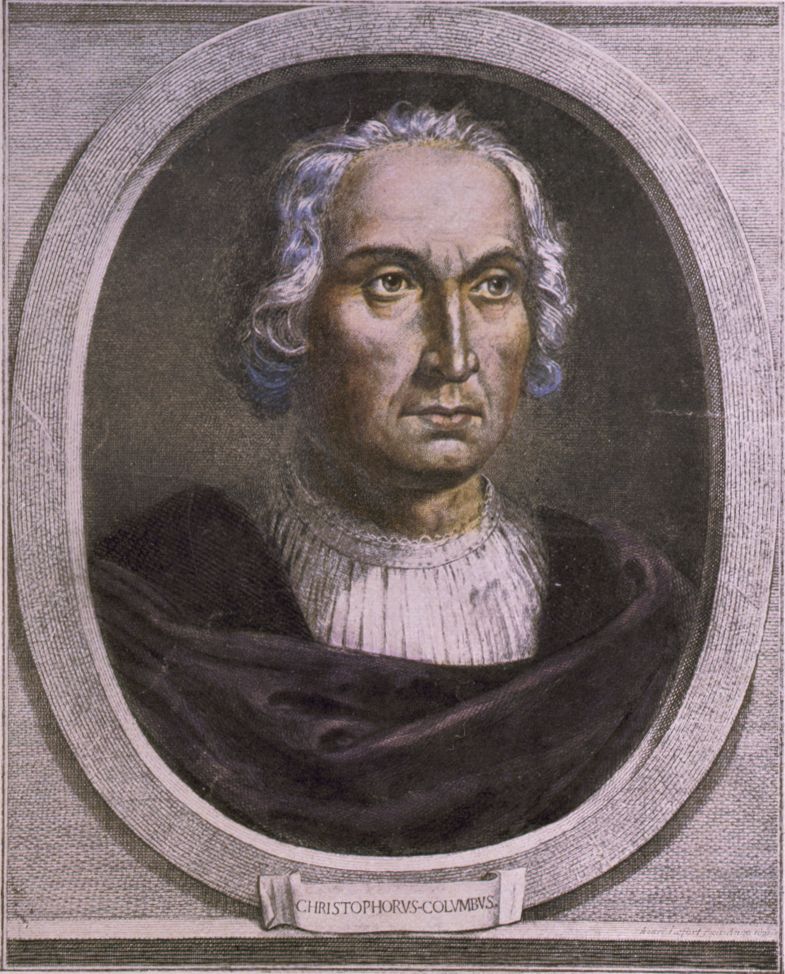
Christopher Columbus (1451-1506) was a Genoese navigator who, sailing under the sponsorship of the Spanish Crown, led four transatlantic voyages beginning in 1492 that brought the Americas into sustained contact with Europe for the first time. His landfall in the Bahamas opened an era of exploration, conquest, and exchange between the Old and New Worlds, and Michael Hart ranked him 9th among history's most influential people for triggering worldwide European exploration.
Rank
#9
Influence
92
Field
Explorer
Historical Perspective
Born in Genoa between late August and late October 1451 to wool weaver Domenico Colombo and Susanna Fontanarossa, Christopher Columbus went to sea around age 14 and spent his twenties and thirties sailing and trading across the Mediterranean and along the West African coast, eventually settling in Lisbon. Convinced he could reach Asia by sailing west across the Atlantic, he was twice rejected by the Portuguese crown before securing Spanish backing from Ferdinand II and Isabella I in April 1492, shortly after the fall of Granada, under an agreement called the Capitulations of Santa Fe that promised him the title Admiral of the Ocean Sea and a share of any revenues discovered. On 3 August 1492 he sailed from Palos de la Frontera with three ships, the Santa Maria, the Pinta, and the Nina, making landfall on 12 October 1492 at an island in the Bahamas he named San Salvador - not Asia, as he believed, but a New World unknown to Europeans. He led three further voyages between 1493 and 1504, exploring the Caribbean, Central America, and northern South America, while serving for a time as governor of the Spanish colony on Hispaniola, a role marked by brutal treatment of the indigenous Taino population that led to his arrest and removal from office in 1500. He died in Valladolid, Spain, in 1506, still believing he had reached the outskirts of Asia. Michael Hart ranked Columbus 9th in The 100, crediting him not with any single invention but with an act - his 1492 landfall - that set off centuries of European exploration, conquest, and the transatlantic exchange of peoples, goods, and diseases now known as the Columbian Exchange.
Influence Meter
92
Measured on a 100-point scale
A 1492 landfall that triggered centuries of worldwide exploration and exchange
Profile Chapter
A Wool Weaver's Son at Sea
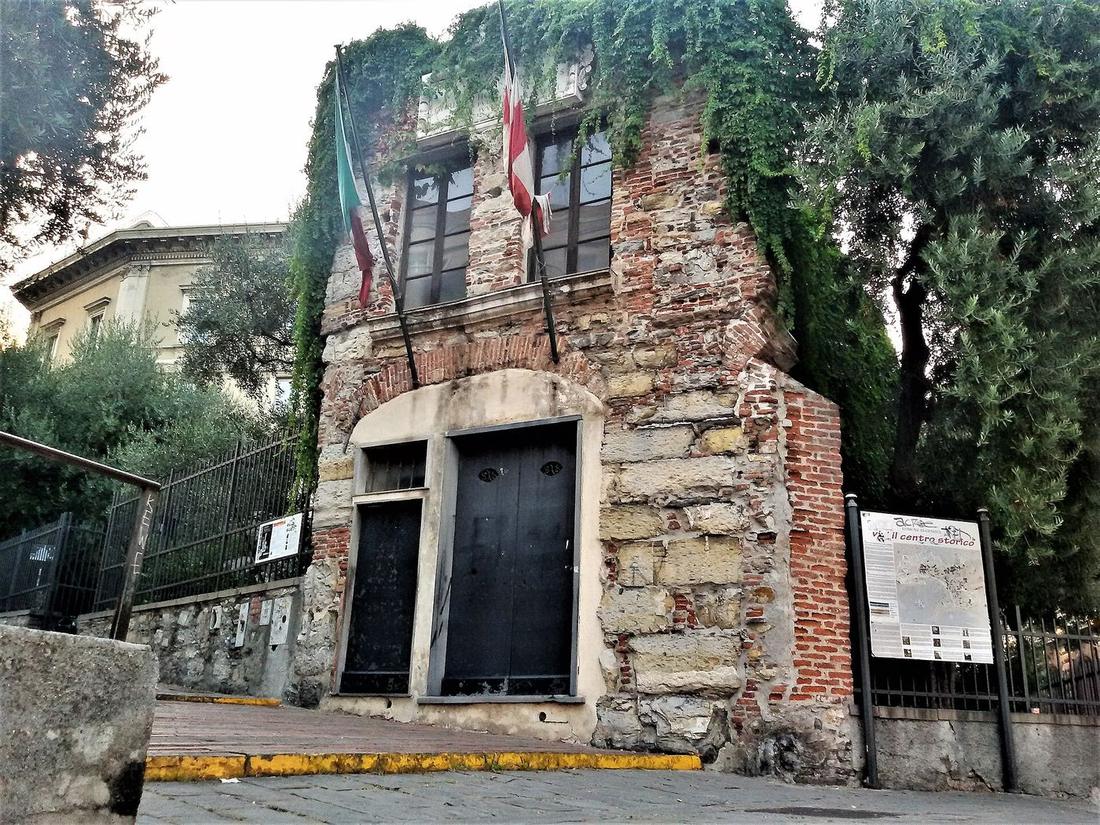
Christopher Columbus was born in Genoa, then a major maritime republic, the son of wool weaver Domenico Colombo and Susanna Fontanarossa. He went to sea around age 14 and by 1473 was apprenticing with wealthy Genoese merchant families, voyages that took him to Chios in the Aegean and to Bristol and Galway in the British Isles by 1476, the same year he survived a shipwreck off Lagos, Portugal. Basing himself in Lisbon from 1477 to 1485, he traded along the West African coast, reaching as far as Elmina in present-day Ghana, and it was in Portugal that he first developed and pitched his plan to reach Asia by sailing west across the Atlantic Ocean.
1484-1492
Seeking a Royal Patron
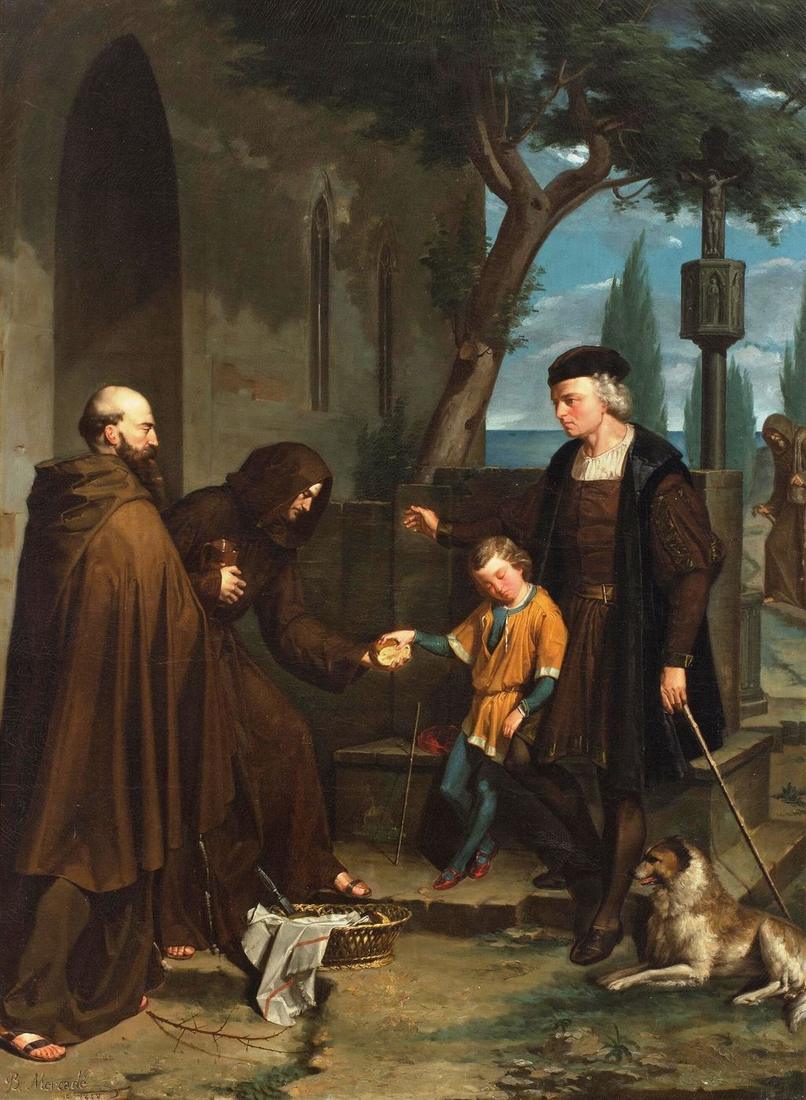
Columbus first pitched his westward route to King John II of Portugal around 1484, and again in 1488, both times without success, as Portuguese advisors judged his distance estimates to Asia badly understated. He then turned to the Spanish monarchs Ferdinand II of Aragon and Isabella I of Castile, gaining crucial support from the Franciscan friars of La Rabida monastery and the royal treasurer Luis de Santangel. Only after the Spanish Crown completed its conquest of Granada in January 1492 did the monarchs approve his voyage, formalized in the April 1492 Capitulations of Santa Fe, which promised Columbus the title Admiral of the Ocean Sea, the governorship of any lands he claimed, and a tenth of resulting revenues in perpetuity.
12 October 1492
Landfall in the Bahamas
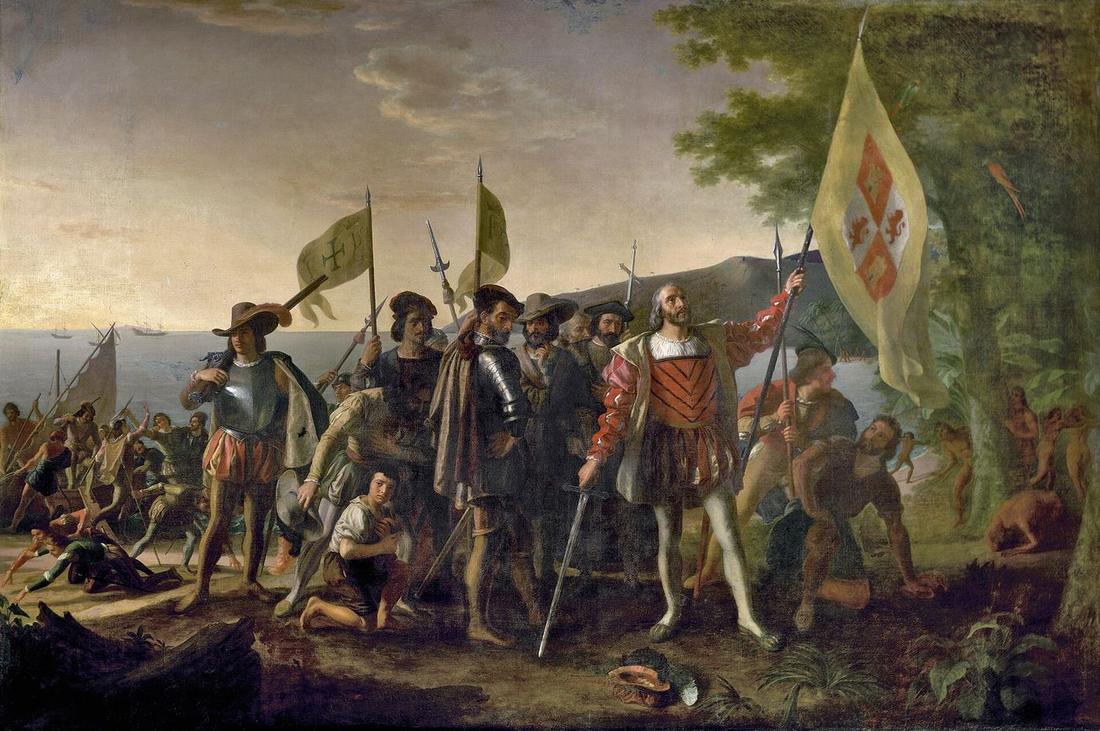
Columbus departed Palos de la Frontera on 3 August 1492 with three ships - the carrack Santa Maria and the caravels Pinta and Nina - restocking at the Canary Islands before setting out across the open Atlantic on 6 September. After more than a month at sea, lookouts sighted land on 12 October 1492: an island in the Bahamas that Columbus named San Salvador, believing he had reached islands off the coast of Asia. He went on to visit Cuba on 28 October and Hispaniola on 6 December, and after the Santa Maria ran aground on Christmas Day, he left 39 men behind at a settlement called La Navidad before sailing back to Spain, arriving on 15 March 1493 to report his discoveries to the Crown.
Chronology
The Four Voyages
Columbus crossed the Atlantic four times between 1492 and 1504, each voyage expanding Spain's knowledge of the Caribbean and mainland Americas.
Columbus served as Governor of Hispaniola during his second and third voyages, a role in which he imposed forced labor on the indigenous Taino population and, according to historical accounts, oversaw widespread enslavement, mutilation, and violence. In February 1495 he rounded up roughly 1,500 Taino people; about 500 were shipped to Spain as slaves, and around 200 of them died during the crossing. Complaints about his brutal governance led the Spanish Crown to arrest him in 1500 and strip him of his titles as governor and viceroy, though he retained his noble rank.
Consequences
The Columbian Exchange
Columbus's voyages inaugurated what historians call the Columbian Exchange: the transfer of plants, animals, precious metals, diseases, technologies, and peoples between the Old World and the New. American crops such as maize and potatoes eventually reshaped diets across Europe, Asia, and Africa, while livestock, iron tools, and European diseases moved in the opposite direction with catastrophic effect on the peoples Columbus encountered.
The human cost on the Caribbean side of that exchange was severe. The Taino population of Hispaniola, estimated at several hundred thousand to about a million at the time of Columbus's arrival in 1492, was reduced to only a few hundred individuals within roughly three decades, driven by forced labor, violence, and epidemic disease - including a 1493 swine influenza outbreak and, from 1518 onward, smallpox. Across the Americas as a whole, historians estimate that 85 to 95 percent of the indigenous population died from the first contact of Columbus's voyages through the mid-1600s.
By the Numbers
The Voyages in Figures
Key figures from Columbus's four transatlantic crossings, drawn from ship manifests and the historical record of his expeditions.
First Voyage Fleet
Three ships - the carrack Santa Maria and caravels Pinta and Nina - carried roughly 90 men across the Atlantic.
- Ships: 3
- Departed: 3 August 1492
Second Voyage Fleet
A vastly larger colonizing expedition compared to the first voyage, intended to settle and exploit the newly reached islands.
- Ships: 17
- Men: ~1,500
Voyages Completed
Columbus crossed the Atlantic four times over twelve years, each expedition charting more of the Caribbean and Central and South American coastlines.
- Total voyages: 4
Taino Population Decline
The indigenous population of Hispaniola collapsed within a generation of sustained European contact.
- Pre-contact (1492): Several hundred thousand to ~1 million
- By 1526: Fewer than 500
1500
Arrest and the End of His Governorship
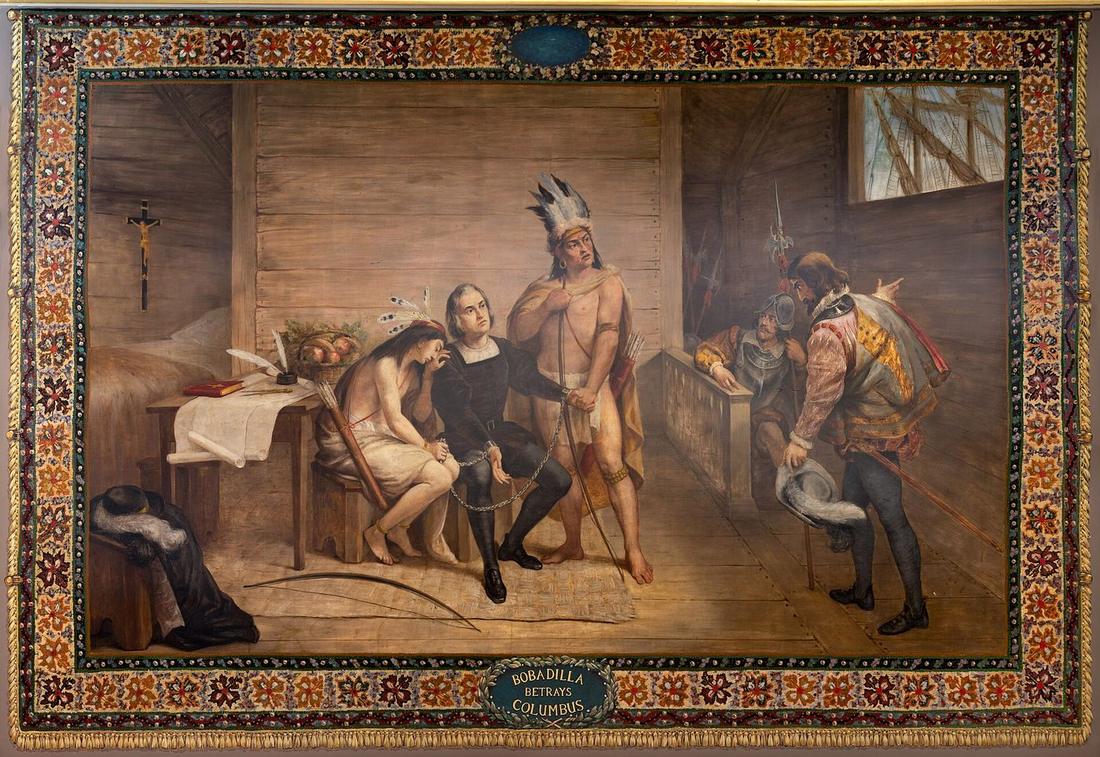
Complaints from Spanish settlers and Crown officials about Columbus's brutal and erratic governance of Hispaniola, including his treatment of both indigenous people and Spanish colonists, led Ferdinand and Isabella to send an investigator, Francisco de Bobadilla, to the colony in 1500. Bobadilla arrested Columbus and his brothers and shipped them back to Spain in chains. Although he was released and permitted a fourth voyage, Columbus never regained his governorship, and he and his sons spent years afterward in litigation with the Crown, known as the pleitos colombinos, seeking to recover the titles and revenue shares promised in 1492.
Global Reach Today
A Legacy Still Being Renegotiated
Ironically, the continents Columbus reached were not named for him but for the Florentine explorer Amerigo Vespucci, credited with recognizing that the Americas were a previously unknown landmass rather than the eastern edge of Asia, a conclusion Columbus himself refused to accept even after four voyages. Columbus Day and numerous statues, place names, and institutions across the Americas nonetheless still bear his name, a legacy built largely in the centuries after his death as European nations idealized his voyages as heroic acts of discovery.
That idealized image has been substantially revised by modern scholarship and public awareness of the violence his governorship inflicted on the Taino people of Hispaniola, and many places and institutions have reconsidered how, or whether, to commemorate him. What is not in dispute is the scale of what his 1492 landfall set in motion: sustained contact between the Old World and the Americas that reshaped diets, economies, disease patterns, and populations on every continent involved.
Legacy
Why Number Nine
Michael Hart ranked Columbus 9th in The 100, summarizing his significance in a single line: his discovery of the Americas led to worldwide exploration. Unlike Cai Lun and Gutenberg, ranked just above him for specific inventions, Columbus's influence rests on a single voyage and its consequences - a demonstration that a westward Atlantic crossing was possible, which within decades sent Spanish, Portuguese, English, French, and Dutch ships chasing territory, trade, and resources across the globe.
Columbus died in 1506 believing to the end that he had found a new route to Asia rather than an unknown continent, a misunderstanding that in no way diminished the scale of what followed: European colonization of the Americas, the Columbian Exchange of crops, animals, and diseases between hemispheres, and a reordering of global power that still shapes the modern world more than five centuries later.
Related Publications