Gregory Pincus

Gregory Pincus
Born 9 April 1903 • Died 22 August 1967
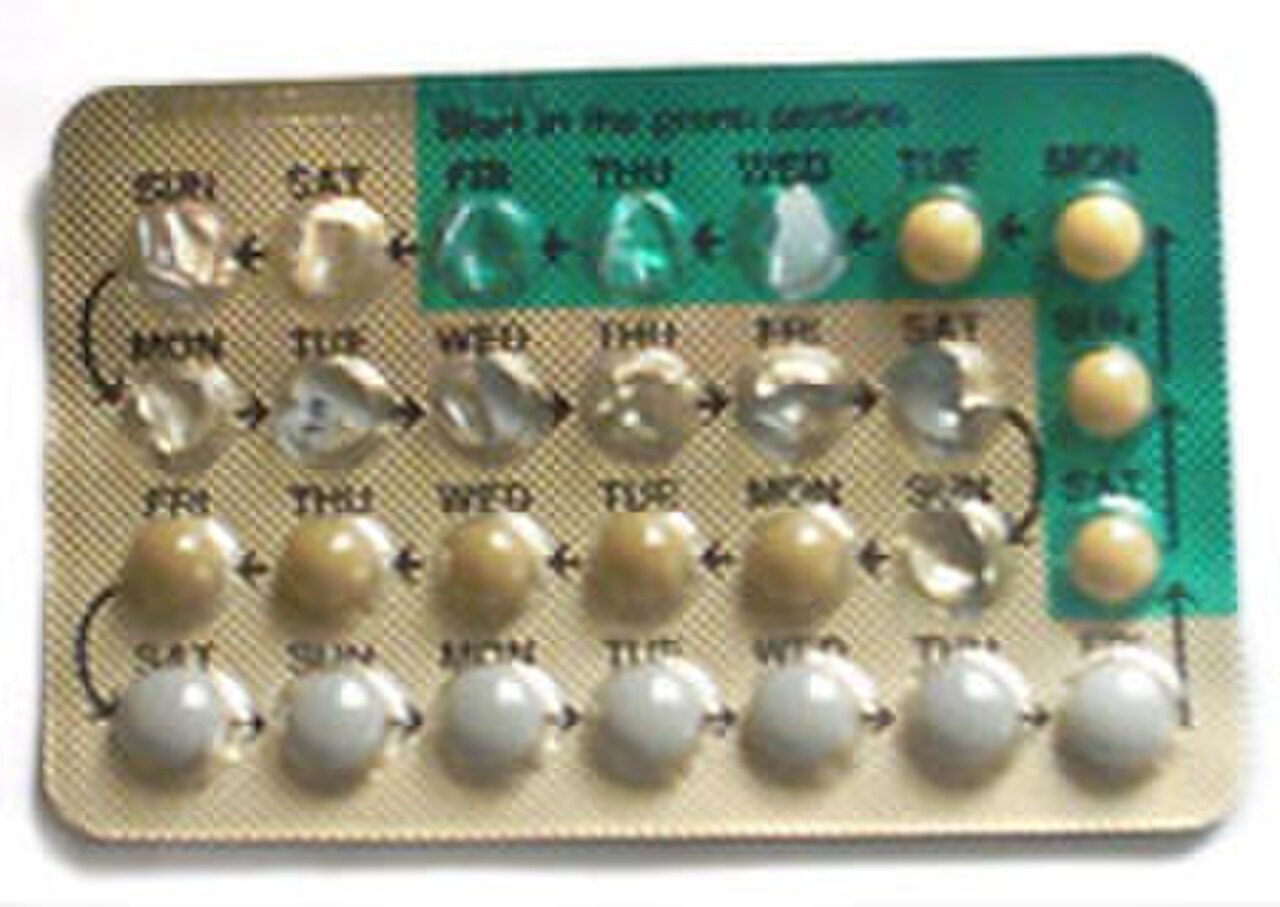
The pill was not developed by a pharmaceutical company, a university or a government. It was commissioned by a seventy-one-year-old birth control campaigner, paid for by a seventy-five-year-old heiress who wrote cheques worth millions, and made by a biologist who had been thrown out of Harvard for fertilising a rabbit egg in a dish. Within five years of approval, six and a half million American women were taking it.
Rank
#82
Influence
78
Field
Biologist
Historical Perspective
Gregory Goodwin Pincus was born on 9 April 1903 in Woodbine, New Jersey, a Jewish agricultural colony, and took his doctorate at Harvard. In 1934 he achieved in vitro fertilisation in rabbits, an extraordinary result that produced newspaper coverage about men becoming unnecessary and a Harvard that declined to give him tenure, in a decision most historians regard as involving both the sensationalism and his Jewishness. Excluded from the university system, he co-founded the Worcester Foundation for Experimental Biology in 1944 in a converted house, chronically short of money. In 1951 Margaret Sanger, who had spent forty years campaigning for birth control, asked him whether a reliable oral contraceptive was possible; he said probably. Katharine Dexter McCormick, a biologist by training and heiress to the International Harvester fortune, then funded the work personally at a scale no institution was offering. With M. C. Chang, who established that progesterone inhibits ovulation, and the Catholic gynaecologist John Rock, who ran the clinical work, Pincus produced Enovid. The FDA approved it for contraception in May 1960. He died on 22 August 1967. Michael Hart ranked him 82nd in The 100.
Influence Meter
78
Measured on a 100-point scale
Separated sex from reproduction reliably, and changed the working lives of women
1951-1953
Funded by Two Women in Their Seventies
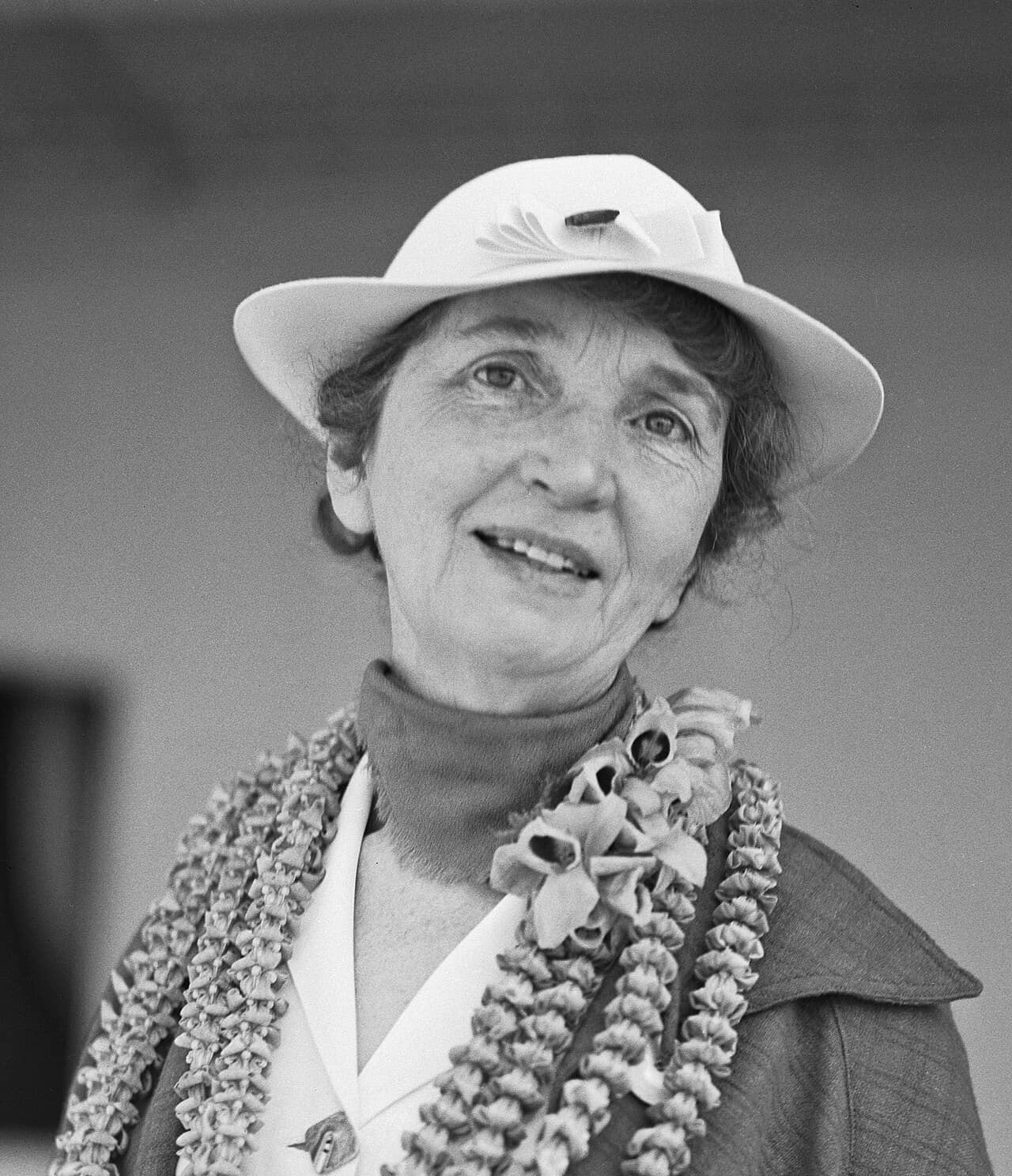
The pill exists because two elderly women decided it should. Margaret Sanger had opened America's first birth control clinic in 1916 and been jailed for it; by 1951 she was seventy-one and had spent her life on a campaign that still lacked a method women could control themselves. Katharine Dexter McCormick was the second woman ever to take a science degree from MIT, had spent decades managing her schizophrenic husband's estate, and on inheriting it in 1947 had an enormous fortune and a clear intention. Sanger introduced her to Pincus in 1953. McCormick began writing cheques - ultimately something in the region of two million dollars, the great majority of the project's funding - and drove to Worcester regularly to check on progress. No pharmaceutical company would touch contraceptive research at the time; it was illegal to sell contraceptives in several states, and the reputational risk was judged too high. Private money from two women in their seventies is the reason the work happened at all.
The large-scale trials were conducted from 1956 in Puerto Rico, where contraception was legal and there were no restrictions of the kind that made mainland testing difficult. Around two hundred and twenty-five women in a housing project in Río Piedras took part initially, and the trials expanded from there. The ethical criticisms are serious and are now generally accepted: the participants were poor, largely uneducated women who were told the drug prevented pregnancy but not that it was experimental or that they were part of a trial; the dose was far higher than later formulations and side effects were severe, with about a fifth of participants reporting nausea, dizziness or headaches; three women died during the trials and no autopsies were performed. Edris Rice-Wray, the physician running them, reported to Pincus that the drug was effective but caused too many reactions to be generally acceptable. The trial nonetheless demonstrated efficacy and secured approval. It is a case where a genuinely liberating technology was tested on people who had the least power to refuse.
What Changed After 1960
The pill is unusual among technologies in that its main effects were social rather than medical, and they arrived fast.
- Contraception a woman could control: Previous methods required a partner's cooperation or a doctor's fitting at the moment of use. The pill is taken privately, in advance, and works without anyone else's involvement. That is the whole difference.
- Delayed marriage and childbearing: Economists Claudia Goldin and Lawrence Katz showed that access to the pill for young unmarried women explains a substantial part of the rise in women entering law, medicine and other professional degrees from the late 1960s.
- Women's workforce participation: Being able to plan when to have children made long professional training a rational investment. The correlation between pill access and female enrolment in professional schools is one of the clearer findings in labour economics.
- Family size fell: Fertility rates in industrialised countries dropped sharply from the mid-1960s, contributing to the demographic transition already under way for other reasons.
- A religious rupture: John Rock, a devout Catholic, argued the pill merely extended a natural process and expected the Church to accept it. Humanae Vitae in 1968 rejected it, and mass non-compliance by Catholic laity followed - a lasting weakening of the Church's authority on private conduct.
- The word the pill: It is the only pharmaceutical in general use that requires no name at all. That is a rough measure of how completely it entered ordinary life.
Further Reading
Books About the Pill
Pincus himself has attracted less attention than the campaigners and the consequences.
Legacy
Why Number Eighty-Two
Michael Hart ranked Pincus 82nd, and it is among the more defensible entries near the bottom of the list. Something over a hundred million women take an oral contraceptive at any given time. The technology gave half the human population, for the first time in history, reliable and independent control over whether and when they had children - which is not a small adjustment to a life but a change in what a life can be planned to contain.
The attribution is complicated, as it usually is. Chang did the crucial ovulation work, Rock ran the clinical trials and supplied the medical respectability, Carl Djerassi and the chemists at Syntex synthesised the progestin that made an oral drug possible, Sanger conceived the project and McCormick paid for it. Pincus assembled and drove it. What none of them controlled was the reception: the pill arrived in 1960 into a decade that was already changing, and it is still argued whether it caused the sexual revolution or merely arrived in time to be blamed for it. The labour-market effects are less disputed and probably larger.
Related Publications