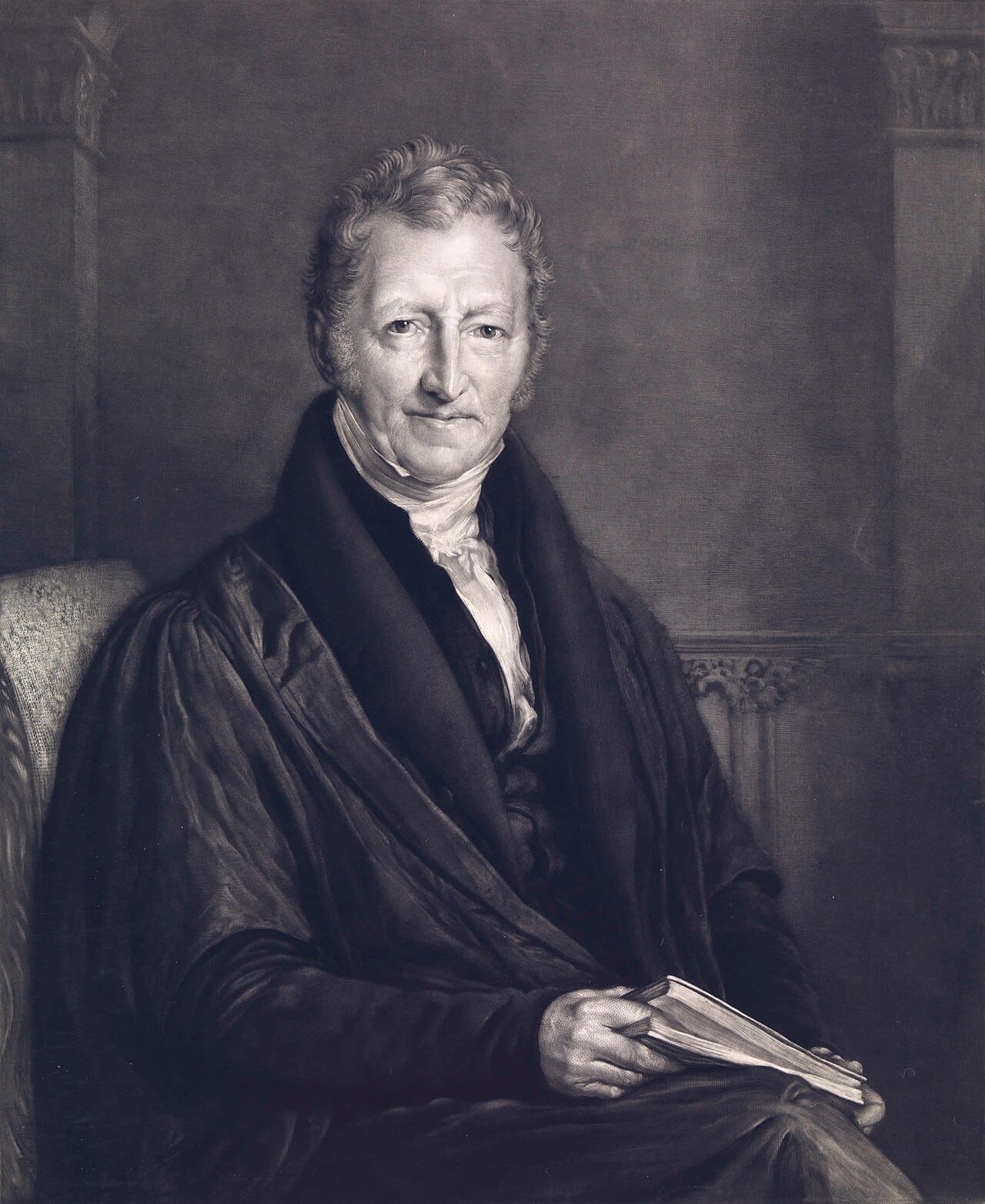
Thomas Malthus

Thomas Malthus
Born 13 February 1766 • Died 29 December 1834
Malthus was wrong. He predicted that food supply could never keep pace with population, that living standards could not rise for long, and that famine and disease would always restore the balance. Two centuries later the world holds eight billion people and a smaller share of them are hungry than at any point in recorded history. And yet the argument he made in 1798 is the reason we have a theory of evolution, because Darwin read it in 1838 and immediately saw what it meant.
Rank
#80
Influence
76
Field
Economist and Clergyman
Historical Perspective
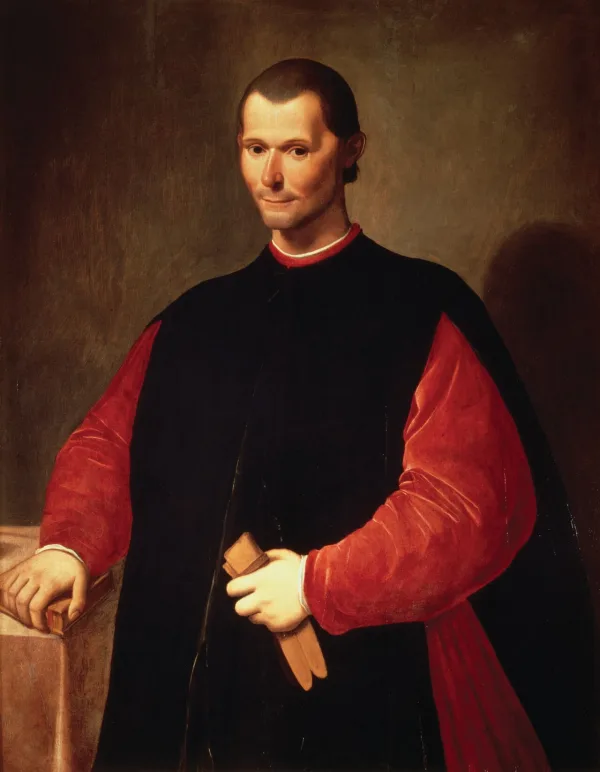
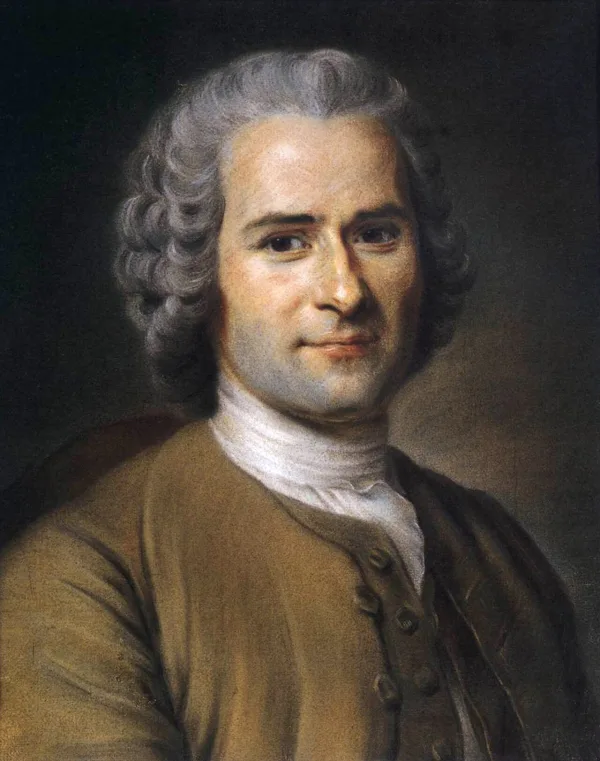
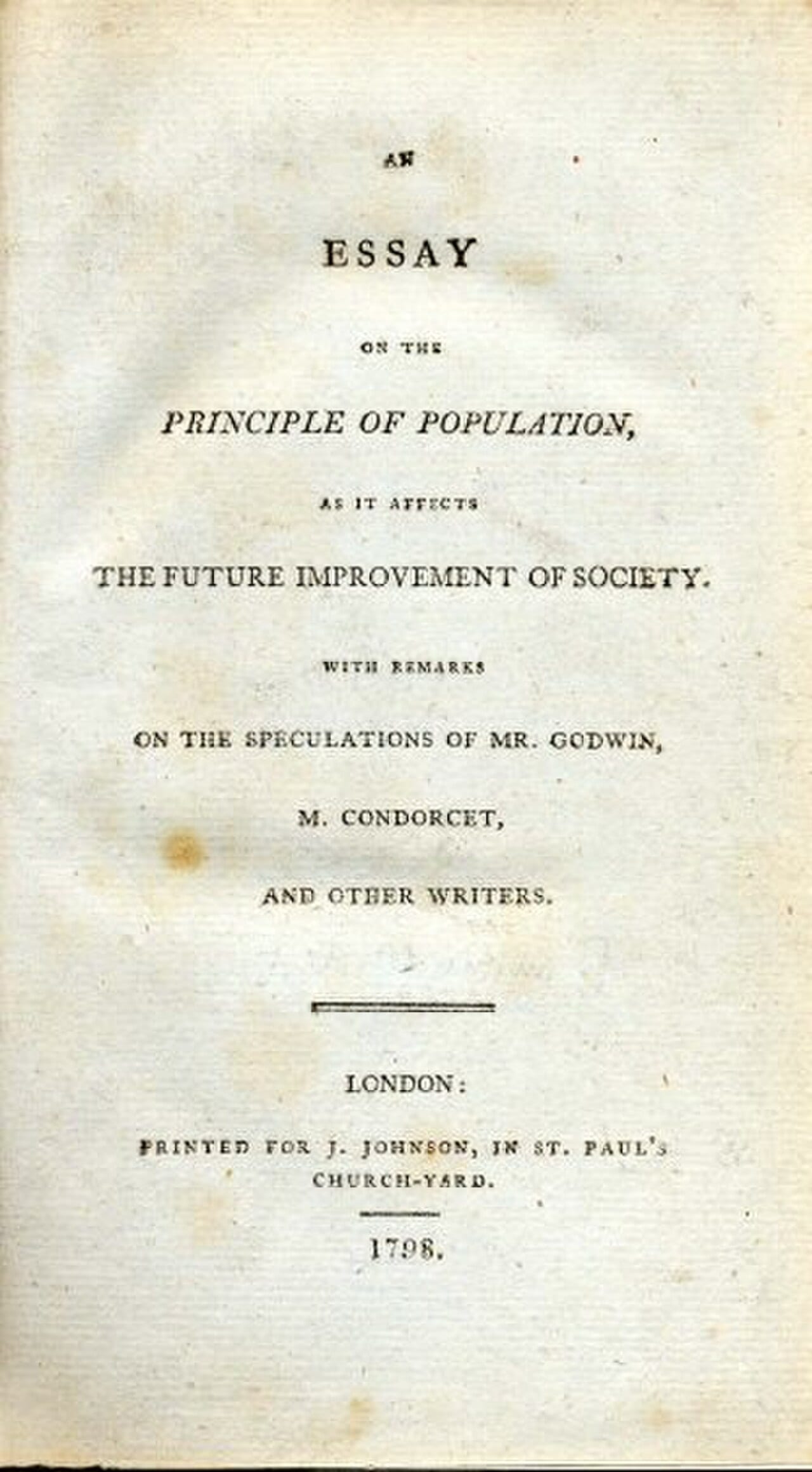
Thomas Robert Malthus was born near Dorking in Surrey in February 1766, the son of a gentleman of radical sympathies who was a friend of Rousseau. He was educated at Jesus College, Cambridge, ordained in the Church of England in 1789, and served as a curate. He published An Essay on the Principle of Population anonymously in 1798, largely as an argument against the utopian optimism of William Godwin and the Marquis de Condorcet, who held that human society was perfectible. The response was so large that he spent years gathering evidence across Europe and produced a much longer second edition in 1803, followed by four more before 1826. In 1805 he became professor of history and political economy at the East India Company's college at Haileybury - the first academic post in the subject in Britain. He argued against the Poor Laws, corresponded and disagreed productively with David Ricardo, and was elected to the Royal Society in 1818. He died at Bath on 29 December 1834. Michael Hart ranked him 80th in The 100.
Influence Meter
76
Measured on a 100-point scale
A failed prediction that handed Darwin and Wallace the mechanism of evolution
1798
The Two Curves
The argument is simple enough to state in a sentence and was intended to be. Population, when unchecked, grows geometrically - two, four, eight, sixteen - because people have more than two children and those children have children. Food supply grows at best arithmetically - two, three, four, five - because land is finite and improvements are incremental. Two curves of that shape must cross, and after they cross the surplus population is removed by what Malthus called positive checks: famine, disease, war, and the ordinary attrition of poverty. The only alternative is preventive checks, meaning delayed marriage and sexual restraint, which he as a clergyman preferred and did not expect much of. The conclusion he drew was bleak and deliberately aimed at Godwin: schemes for perfecting society through equality would only remove the restraints on breeding and bring the crash forward.
In October 1838, fifteen months into his notebooks on species, Charles Darwin read Malthus for amusement and recorded in his autobiography that being well prepared to appreciate the struggle for existence which everywhere goes on, it at once struck him that under these circumstances favourable variations would tend to be preserved and unfavourable ones destroyed - and that here at last he had a theory by which to work. Twenty years later Alfred Russel Wallace, lying feverish in the Moluccas, remembered the same book and arrived at the same conclusion independently, which is what precipitated the joint announcement of 1858. Malthus supplied the engine: if far more organisms are born than can survive, then which ones survive is not random, and any heritable advantage will spread. The theory of evolution by natural selection has two independent discoverers and both of them credited the same clergyman's pamphlet about the price of bread.
Assessment
Why the Prediction Failed
Malthus described accurately the world that had existed for all of previous history and published at the exact moment it stopped being true. Two things he did not anticipate broke the trap.
| Food output can only grow arithmetically | Mechanisation, the Haber-Bosch process for nitrogen fixation from 1909, and the Green Revolution from the 1960s multiplied yields several times over |
| People will always have as many children as they can feed | The demographic transition: as incomes, child survival and female education rise, birth rates fall sharply, and have now fallen below replacement in much of the world |
| Living standards cannot rise for long | Real incomes in industrialised countries rose by an order of magnitude across two centuries while population also rose |
| Land is the binding constraint | Trade, fertiliser and crop breeding made output far less dependent on cultivated area than he assumed |
| Famine is nature restoring balance | Amartya Sen's work established that modern famines are generally failures of entitlement and politics rather than of absolute food supply |
The trap he described was real for most of human history, and the escape from it is roughly coincident with his own lifetime - which is why he could describe the past accurately and the future not at all.
Afterlife
Malthusian, and the Argument That Will Not Die
Malthus's political legacy is uglier than his scientific one. His opposition to the Poor Laws - on the argument that relief only allowed the poor to have more children and so deepened the problem - influenced the harsh Poor Law Amendment Act of 1834, and his framing was used to justify inaction during the Irish famine a decade later. The word Malthusian became, and remains, a term of abuse on the political left for arguments that blame poverty on the poor. Marx and Engels attacked him ferociously.
The structure of the argument has nonetheless been revived repeatedly, because it is genuinely hard to dismiss in principle: any population growing exponentially in a finite environment eventually meets a limit. Paul Ehrlich's The Population Bomb in 1968 predicted mass famine in the 1970s and 1980s; the Club of Rome's Limits to Growth in 1972 modelled resource exhaustion. Both were wrong on their timetables in ways Malthus would have recognised. The contemporary version concerns climate, biodiversity and freshwater rather than grain, and whether it is a better argument than his is not yet decidable - which is the uncomfortable thing about Malthusian reasoning. Being wrong repeatedly does not make it wrong permanently.
Further Reading
Books By and About Malthus
The first edition of the Essay is short and polemical; the later ones are long and heavily evidenced, and are a different book.
Legacy
Why Number Eighty
Michael Hart ranked Malthus 80th, and the ranking rewards an indirect contribution rather than a correct theory. His direct predictions failed, his policy advice on the Poor Laws did harm, and his name became an insult. But two people arrived independently at the greatest idea in biology after reading him, and both said in print that he was the trigger. It is difficult to name another case where a wrong economic argument produced a correct biological one of that magnitude.
There is a second legacy that gets less attention. By insisting that human populations are subject to material constraints that can be measured, and by gathering comparative data across countries to test it, Malthus helped turn political economy into a quantitative, empirical subject. Demography as a discipline dates from him. Keynes, who admired him considerably, thought his Principles anticipated the modern understanding of demand and remarked that if only Malthus rather than Ricardo had been the parent stem from which economics proceeded, what a much wiser and richer place the world would be.
Related Publications