Nicoli Machiavelli

Niccolo Machiavelli
Born 3 May 1469 • Died 21 June 1527
Machiavelli wrote The Prince in a few months of enforced idleness after being tortured, sacked and exiled to a farm, and he wrote it partly as a job application to the family that had done all three. It failed - the Medici appear not to have read it - and it made him, four centuries after his death, one of the most quoted and least read political writers in existence. He did not advise princes to be wicked. He described what successful ones actually did, which turned out to be considerably more disturbing.
Rank
#79
Influence
79
Field
Political Theorist and Diplomat
Historical Perspective
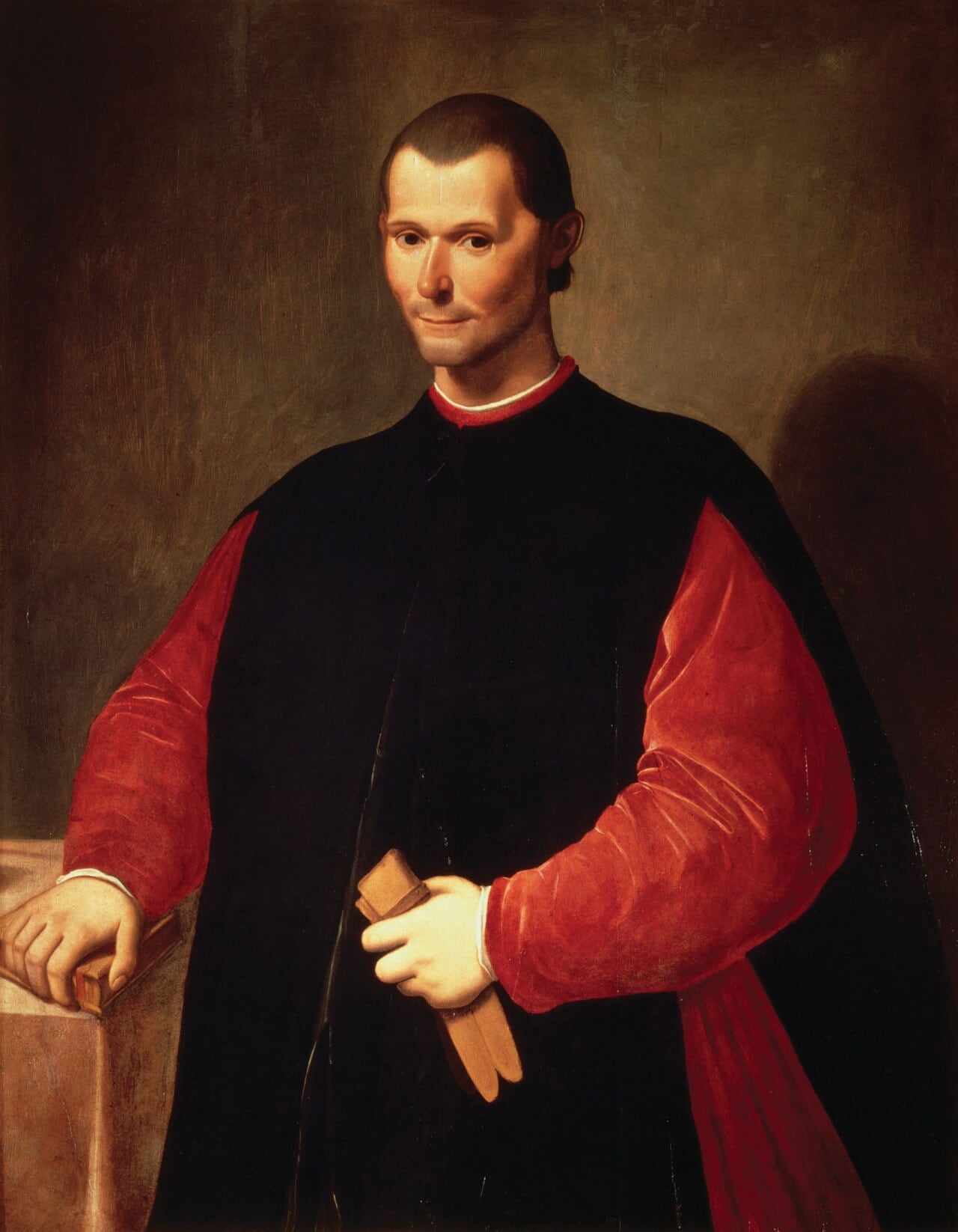
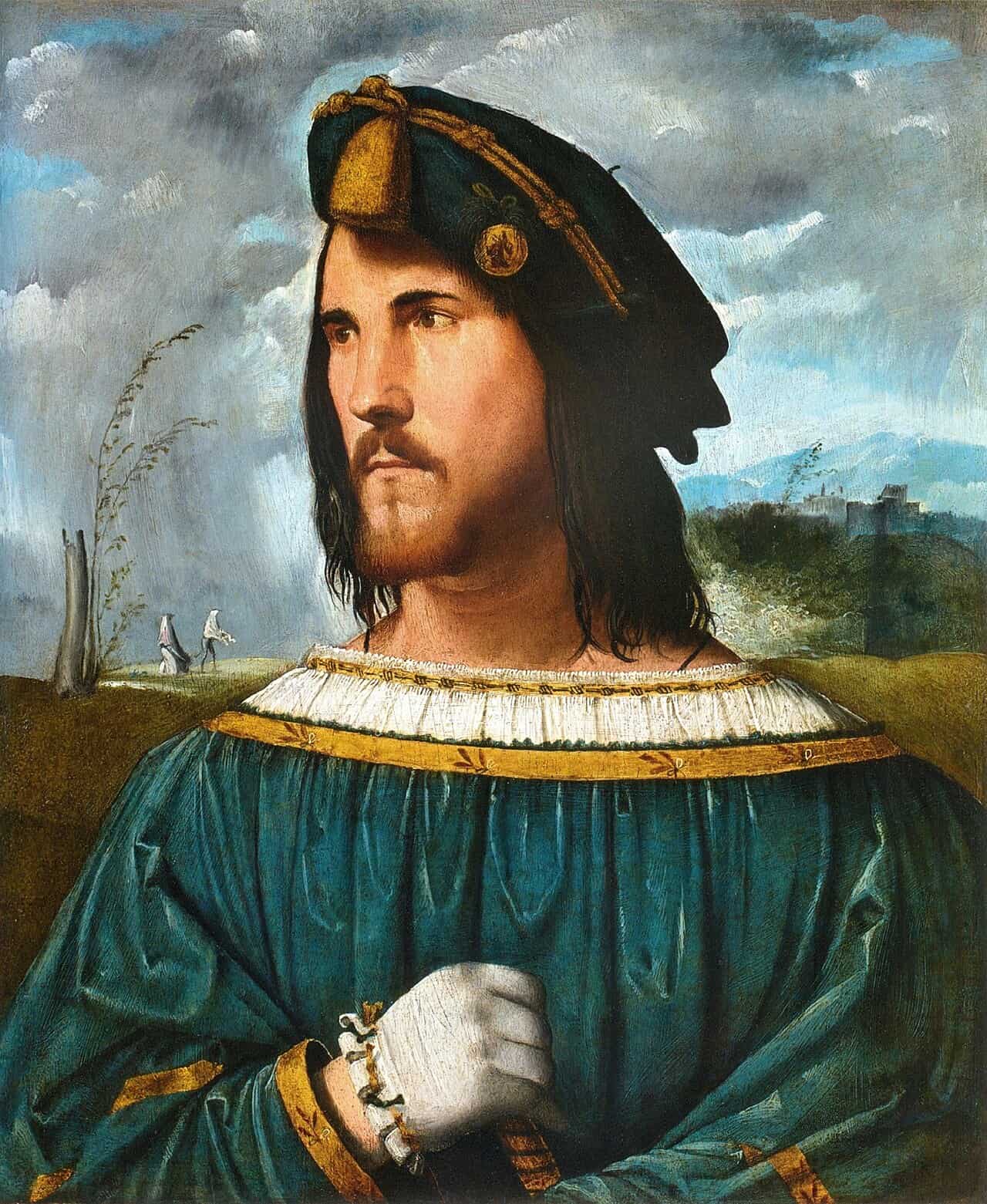
Niccolò Machiavelli was born in Florence on 3 May 1469 to a family of modest means and good name. He entered the republic's service in 1498, shortly after the execution of Savonarola, and spent fourteen years as second chancellor and secretary to the council responsible for war and foreign affairs - which meant diplomatic missions to Louis XII of France, to the Emperor, to the Pope, and to Cesare Borgia, whose ruthless efficiency in carving out a state in the Romagna impressed and appalled him. He also created a citizen militia to replace the mercenaries he distrusted, and it took Pisa in 1509. In 1512 the republic fell, the Medici returned, and the militia failed at Prato. Machiavelli was dismissed, and in 1513 his name appeared on a list found on a conspirator; he was imprisoned and given six turns of the strappado, which dislocates the shoulders, before an amnesty released him. Exiled to a farm at Sant'Andrea, he wrote The Prince that year, and the Discourses on Livy over the following years. He died in Florence on 21 June 1527. The Prince was published in 1532. Michael Hart ranked him 79th in The 100.
Influence Meter
79
Measured on a 100-point scale
Separated the study of politics from the study of virtue
1513
What The Prince Actually Argues
The book is about a hundred pages and its method is stated openly at the start: Machiavelli says he will depart from the practice of others and go to the effectual truth of the matter rather than to the imagination of it, because a man who wishes to act well in every particular among so many who are not good will come to ruin. Everything follows from that. A ruler must learn how not to be good, and use the knowledge according to necessity. It is safer to be feared than loved, because love depends on the subject and fear on the ruler - though a prince must avoid being hated, which is fatal. Cruelties should be done all at once and benefits distributed slowly. A prince should appear merciful, faithful and religious, and be prepared not to be. Mercenaries are useless. Fortune governs about half of what happens and can be resisted by the man who prepares for her. The famous phrase about ends justifying means is a compression rather than a quotation, but it is a fair one.
The Machiavelli of popular reputation is the author of one short book he wrote in a few months. The Machiavelli of his own life's work is a republican. The Discourses on Livy, written over several years and far longer than The Prince, argue that republics are more durable and better governed than principalities, that a healthy state requires the active participation of armed citizens, that conflict between social classes is a source of liberty rather than a disorder, and that leaders must be held accountable by law. Rousseau concluded that The Prince was actually a satire designed to expose tyrants to their subjects, which is probably too generous; most modern scholars treat the two works as compatible, since The Prince describes how a state is founded or seized and the Discourses how one is kept free once established. The republican Machiavelli was read closely by the English commonwealth writers and by the American founders, and it is that lineage rather than the cynical one that had the larger political effect.
Reception
How the Name Became an Insult
The Prince went on the papal Index of Prohibited Books in 1559 and the reaction in Elizabethan England was hysterical: he appears as a stage villain in a dozen plays, Shakespeare's Richard III boasts of setting the murderous Machiavel to school, and Old Nick as a name for the devil may derive from Niccolò. The word Machiavellian was in English by the 1560s, before most English readers had access to the text. Frederick the Great wrote a refutation, the Anti-Machiavel, with Voltaire's help in 1740, and then conducted his reign in a manner few of his contemporaries could distinguish from the original.
The rehabilitation came slowly and along two routes. Political scientists claim him as the founder of realism - the study of how states actually behave rather than how they should - and of political science as an empirical discipline separate from ethics and theology. Historians of republicanism, following J. G. A. Pocock, trace a line from his Discourses through the English republicans to the American constitution. Both readings are now standard, and neither has done much to dislodge the adjective.
Further Reading
Books By and About Machiavelli
He was also a playwright; his comedy La Mandragola is still performed and is very funny, which surprises people.
Legacy
Why Number Seventy-Nine
Michael Hart ranked Machiavelli 79th, and the case is that he changed the subject rather than answering a question in it. Before him, writing about rulers in the European tradition belonged to the genre of mirrors for princes - accounts of the virtues a good king should cultivate, addressed to his soul as much as his policy. Machiavelli asked instead what actually works, treated the state as a thing with its own logic and requirements, and left virtue out of the analysis without denying it existed. That move is the beginning of political science as an empirical study, and of the doctrine of raison d'état that European statecraft ran on for four centuries.
The awkwardness of his reputation is that he described something people preferred not to have described. Rulers had always behaved as The Prince says they do; what was new was a former civil servant writing it down plainly, in Italian, with examples. Five centuries later his name is an adjective meaning cunning and unscrupulous, applied to people who have not read him, while his longer and more characteristic book argues that armed citizens should keep their leaders in check. Few writers have been so completely defined by their least representative work.
Related Publications