

82.5K
MetLife Stadium is the confirmed venue for the FIFA World Cup 2026 final.
Facts & Figures
Visual Intelligence
East Rutherford, New Jersey closes the tournament with the July 19, 2026 final.
82.5K
MetLife Stadium is the confirmed venue for the FIFA World Cup 2026 final.
The venues hosting football's biggest tournament
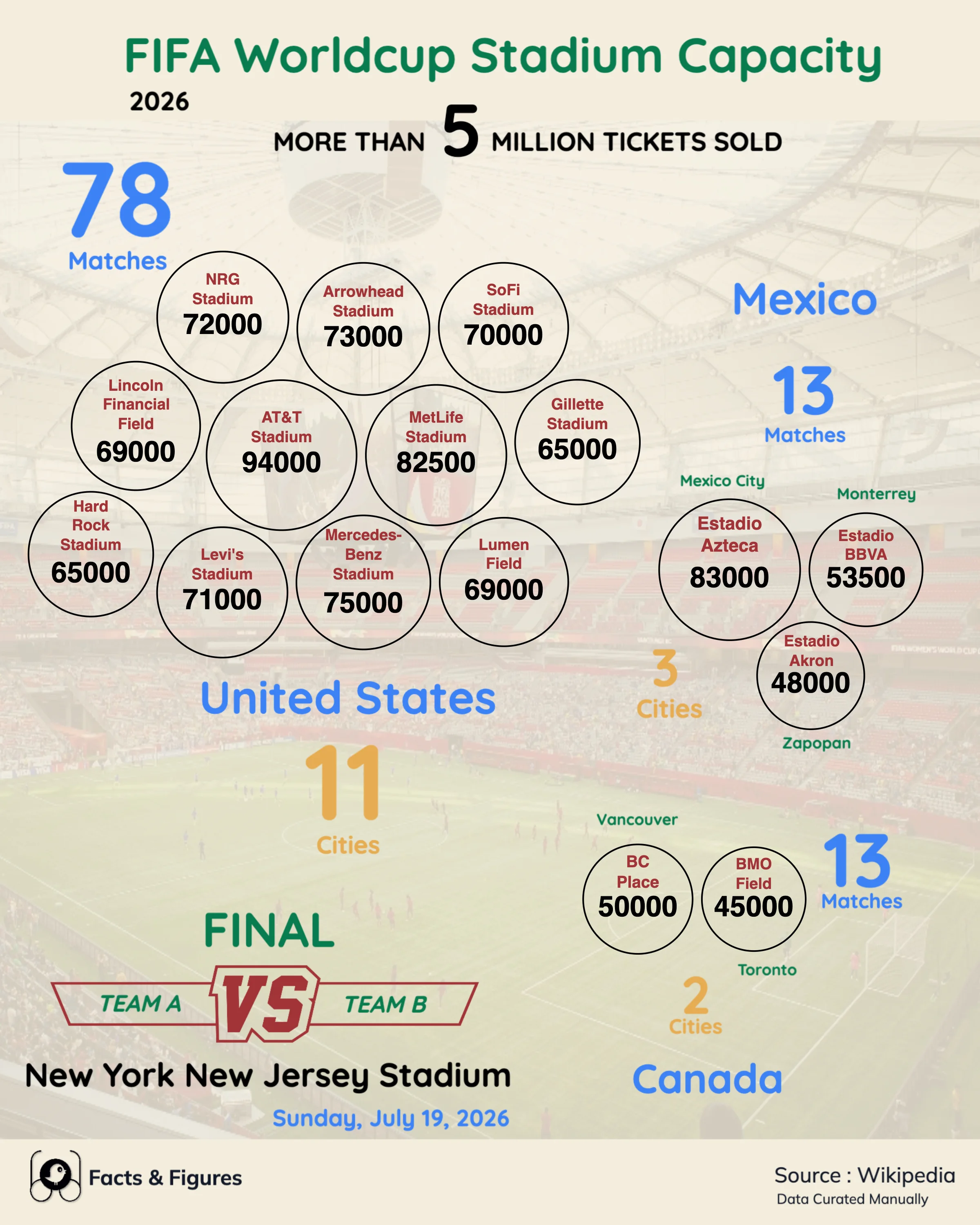
FIFA World Cup 2026 will be played across 16 stadiums in Canada, Mexico, and the United States. The venues collectively offer more than 1 million seats, making it the largest stadium network ever assembled for a World Cup. AT&T Stadium leads all host venues with a capacity of 94,000 spectators.
The scale of FIFA World Cup 2026 extends beyond the expanded 48-team format. With sixteen venues spread across three nations and more than one million seats available, the tournament is set to become the largest and most ambitious World Cup ever staged.
Continue reading below for the full detailed article →
Overview
The 2026 FIFA World Cup promises to be a monumental event, with stadiums across the United States, Canada, and Mexico set to showcase not only the thrill of football but also their impressive capacities. Iconic venues like the MetLife Stadium in New Jersey and the AT&T Stadium in Texas will host matches in front of crowds that could reach well over 80,000 spectators. This massive scale not only enhances the electric atmosphere but also creates opportunities for immersive fan experiences, from interactive zones to advanced technological integrations that bring fans closer to the action.
Host Nations
Of the tournament's 104 matches, the United States hosts 78, Mexico hosts 13, and Canada hosts 13 — a split far more lopsided than the venue count alone suggests. The 16 stadiums break down almost as unevenly, with 11 in the U.S., three in Mexico, and two in Canada, but the match tally tilts even harder toward the U.S. because every game from the quarterfinals onward is reserved for American stadiums.
FIFA requires a minimum capacity of 40,000 seats for World Cup matches — a bar that ruled out most dedicated soccer-specific venues in North America, including MLS grounds that top out around 30,000. That threshold pushed the tournament's biggest games into NFL-scale stadiums built for far larger crowds, and the U.S. simply has more of them. Every quarterfinal, every semifinal, and the July 19 final at MetLife Stadium will be played on American soil, alongside a full slate of group-stage matches.
Mexico hosts 13 matches across three cities — Mexico City, Guadalajara, and Monterrey — and gets the honor of the opening match, played at Estadio Azteca on June 11, 2026. It's the third time Mexico has hosted a World Cup, after 1970 and 1986, making Estadio Azteca the first stadium ever to open three different tournaments.
Canada matches Mexico's 13 games, split between BMO Field in Toronto and BC Place in Vancouver. It's the country's first time hosting a men's World Cup, though Canada previously staged the 2015 Women's World Cup. With only two venues, Canada carries the smallest share of both matches and stadiums among the three hosts.
The joint United 2026 bid — the U.S., Mexico, and Canada running together — beat a rival bid from Morocco at the 68th FIFA Congress in Moscow in 2018, winning 134 votes to 65 among the federation's member associations. The vote also reinstated co-hosting, a format FIFA had suspended since the 2002 Japan-South Korea tournament, clearing the way for the three-nation, 48-team format used in 2026.
Stadium Capacity
| Toronto | 🇨🇦 Canada | BMO Field | 45,000 |
| Guadalajara | 🇲🇽 Mexico | Estadio Akron | 48,000 |
| Monterrey | 🇲🇽 Mexico | Estadio BBVA | 53,500 |
| Vancouver | 🇨🇦 Canada | BC Place | 54,000 |
| Miami | 🇺🇸 United States | Hard Rock Stadium | 65,000 |
| Boston | 🇺🇸 United States | Gillette Stadium | 65,000 |
| Seattle | 🇺🇸 United States | Lumen Field | 69,000 |
| Philadelphia | 🇺🇸 United States | Lincoln Financial Field | 69,000 |
| Los Angeles | 🇺🇸 United States | SoFi Stadium | 70,000 |
| San Francisco Bay Area | 🇺🇸 United States | Levi's Stadium | 71,000 |
| Houston | 🇺🇸 United States | NRG Stadium | 72,000 |
| Kansas City | 🇺🇸 United States | Arrowhead Stadium | 73,000 |
| Atlanta | 🇺🇸 United States | Mercedes-Benz Stadium | 75,000 |
| New York/New Jersey | 🇺🇸 United States | MetLife Stadium | 82,500 |
| Mexico City | 🇲🇽 Mexico | Estadio Azteca | 83,000 |
| Dallas | 🇺🇸 United States | AT&T Stadium | 94,000 |
Ticket Demand
FIFA sold more than 6 million tickets for the 2026 World Cup by June 10, 2026, according to FIFA president Gianni Infantino, who called the pace "unprecedented... by a factor of 10 or more." Roughly 7 million tickets are on sale in total across 104 matches and 16 stadiums, and FIFA reported 508 million ticket requests during its earliest sales phases — far beyond the seats actually available.
The 2026 total already dwarfs recent tournaments: FIFA sold 3.2 million tickets for Qatar 2022, 2.8 million for Russia 2018, and 3.1 million for Brazil 2014. The closest historical comparison is 1994, the only other U.S.-hosted World Cup, which still holds the all-time attendance record at roughly 3.5 million tickets across 52 matches.
Analysts caution against reading the jump as pure demand growth. The 2026 field expanded to 48 teams playing 104 matches — about 40% more games than the 32-team, 64-match format every World Cup used since 1998 — so more matches mechanically generate more tickets sold, even if interest per match stayed flat. Some of the 508 million requests also overlap, since fans could apply for multiple matches within the same sales phase.
ceremonies
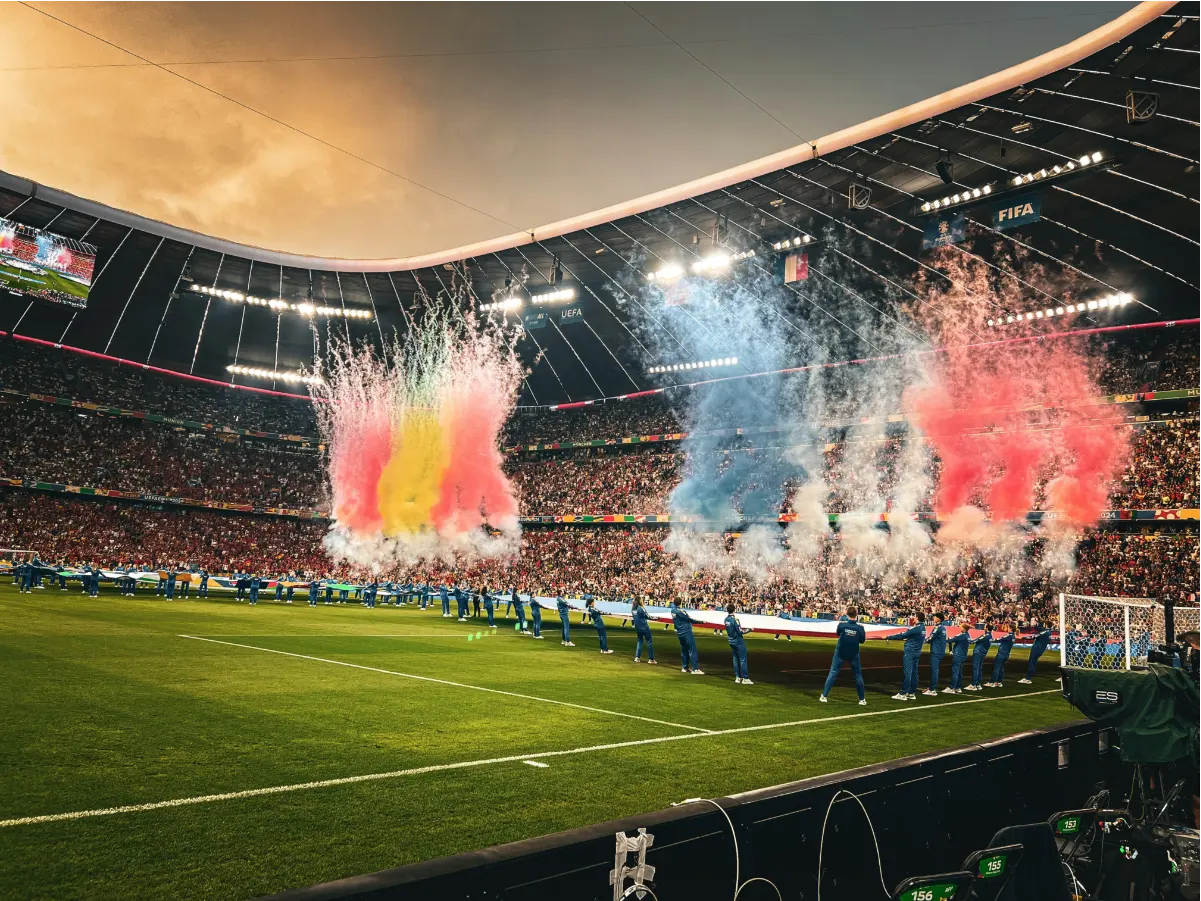
Because 2026 marks the first World Cup shared by three host nations, organizers built three separate opening ceremonies instead of the single stadium spectacle earlier tournaments relied on. Mexico goes first on June 11, 2026, at Estadio Banorte, with a lineup spanning several generations of the country's music scene: Maná, Alejandro Fernández, Belinda, and Lila Downs share the bill with Los Ángeles Azules, Tyla, J Balvin, and Danny Ocean. Canada follows a day later, on June 12, at BMO Field in Toronto, where Alanis Morissette, Alessia Cara, Jessie Reyez, and Michael Bublé headline alongside Nora Fatehi, William Prince, Elyanna, Sanjoy, and Vegedream. The United States closes out the trio the same day at SoFi Stadium in Los Angeles, with Katy Perry, Future, Lisa, Anitta, Rema, and Tyla performing. The buildup starts even earlier: countdown concerts run in every host city on June 10, with Toronto's edition featuring Bryan Adams, Nora Fatehi, Sanjoy, and Vegedream, plus a joint set from AHI and Wyclef Jean. The calendar adds one more layer of significance to the U.S. leg — on July 4, 2026, Philadelphia and Houston will each stage special ceremonies tied to the country's Semiquincentennial, folding the 250th anniversary of American independence into the middle of the tournament.
Conclusion
The FIFA World Cup 2026 stadium lineup reflects the unprecedented scale of a tournament built for three nations rather than one. Sixteen venues offer a combined capacity above one million seats, but the tournament itself skews sharply toward the United States, which hosts 78 of the 104 matches — including every game from the quarterfinals through the July 19 final at MetLife Stadium — while Mexico and Canada host 13 apiece.
Demand has followed the scale: FIFA reported more than 6 million tickets sold by June 10, 2026, already ahead of the 3.2 million sold for Qatar 2022. Whether that pace holds up as a true measure of interest or simply reflects 40 more matches than any prior Cup, the infrastructure behind the tournament — from Estadio Azteca's opening kickoff to MetLife's championship crowd — is built to match the biggest, most widely shared World Cup in the competition's history.
FIFA World Cup 2026 Host Venues Wikipedia - 2026 FIFA World Cup Venues
This analysis is based on the official FIFA World Cup 2026 host stadiums and their published seating capacities. Venue data was compiled from FIFA tournament resources and publicly available stadium records, then standardized for comparison and visualization purposes.
Capacity figures represent official stadium capacities and may vary depending on FIFA tournament configurations, temporary seating arrangements, hospitality zones, media allocations, and match-specific operational requirements.
All rankings, comparisons, and aggregate statistics are calculated using FactsFigs methodologies and are intended for educational and informational purposes only. Visual crafted via FactsFigs Visual Editor.
Last verified: 17 July 2026
Related Publications
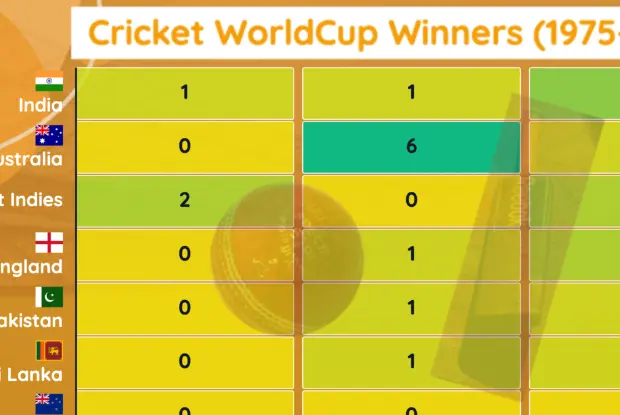
Only India has won the men's cricket World Cup at 60, 50 and 20 overs; Australia and England are the women's all-format winners.
08 Oct 2026
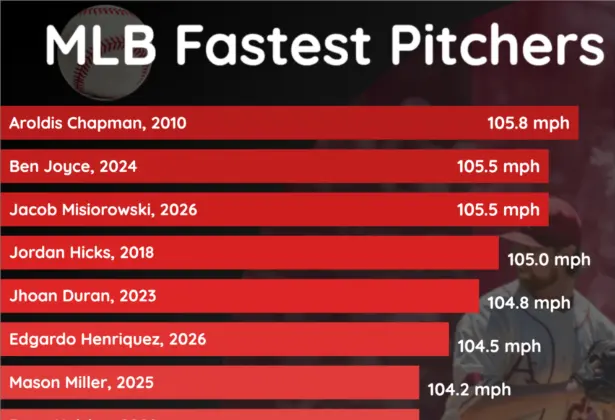
Chapman's 105.8 mph pitch from 2010 still tops baseball's tracking era, but ten of the 15 fastest pitchers peaked in 2018 or later.
02 Oct 2026

Golf edges basketball by $30m among the ten highest-paid athletes ever - one sport needs three careers, the other needs Jordan.
11 Sept 2026

The NBA average peaked in 1987 and fell less than an inch - and part of that was the league changing how it measures.
10 Sept 2026