EV Range, 0-60 Times and Self-Driving: Claimed vs Actual


EV Range, 0-60 Times and Self-Driving: Claimed vs Actual
Some are false. Some are true only on a narrower definition than the words suggest. Some hold up exactly as stated.
This is the index to every car technology claim FactsFigs has tested against a dated record. Each section below gives the verdict and the figure that settles it, and links to the full post with the complete chart and the data behind it. The pattern is not that companies lie. It is that one word in each claim is doing more work than it can carry. "Flies", "driverless", "range" and "0 to 60" each mean something narrower than they sound, and the claim stands or falls on which meaning you had in mind. Every post states its measurement before its number, which is the only way a comparison like this stays honest.
! What each verdict means:
- • Fails: False as commonly understood.
- • Narrower: True, but only under a definition most readers would not assume.
- • Holds up: True as stated, with the data behind it.
Continue reading below for the full detailed article →
Verdict: fails
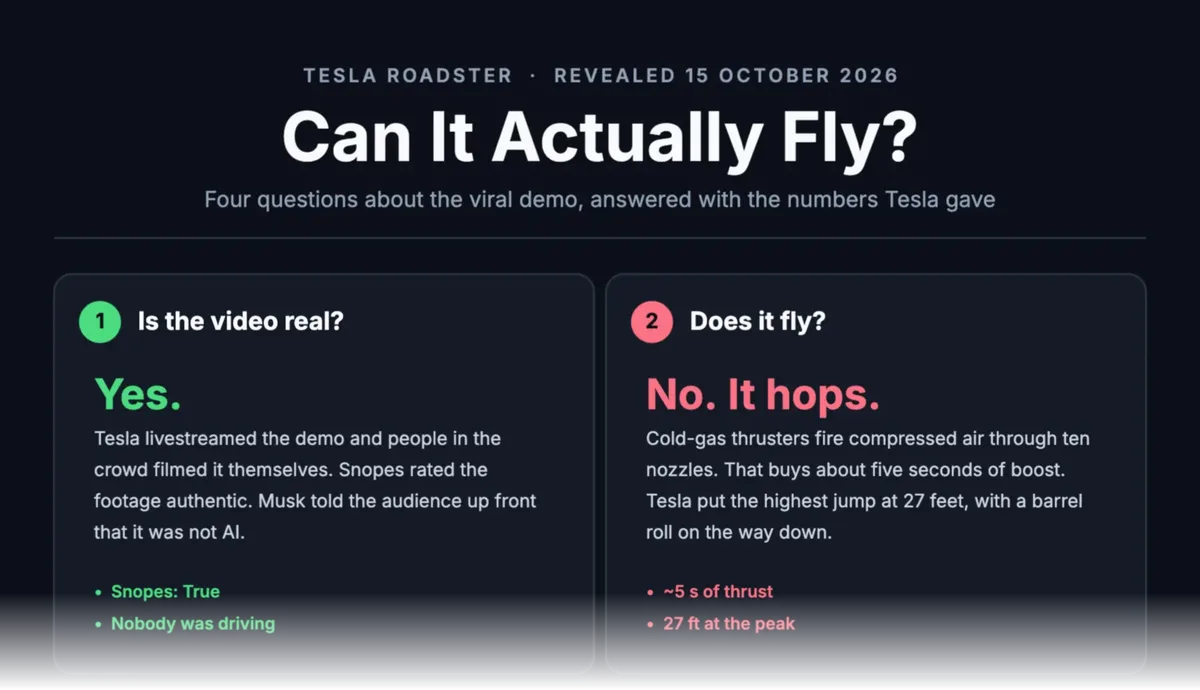
The Roadster Leaves the Ground for About Five Seconds
Cold gas thrusters push compressed air through ten nozzles. Tesla vehicle engineering chief Lars Moravy put that at roughly five seconds of boost per fill, and the tank then takes two to six hours to refill. The jump peaked at 27 feet. None of that is sustained flight, and Tesla has never claimed it is. The post collects every figure Tesla gave and names who gave it, because none of them has been independently tested.
Verdict: true, on a narrower definition
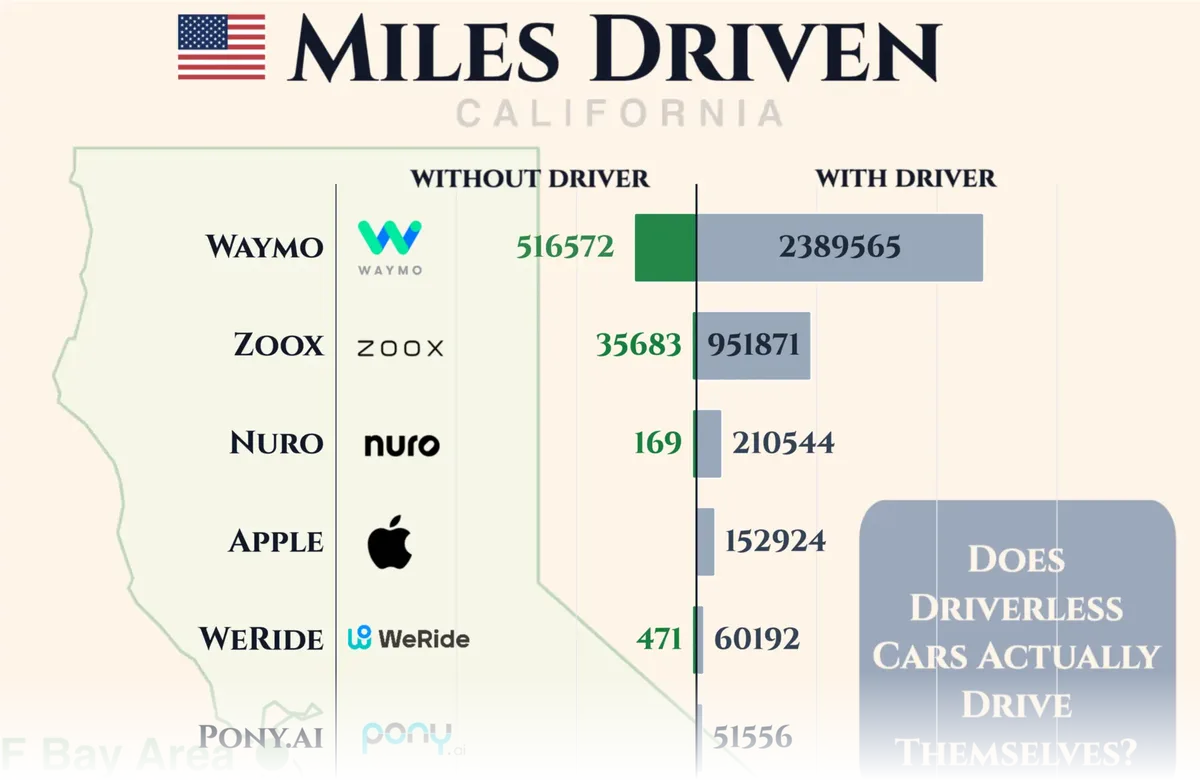
Four of Twenty Have Ever Removed the Driver
Twenty companies reported testing on California public roads in the year to 30 November 2024. Four of them reported a single mile with nobody in the driver seat. Six hold the permit that allows it, and exactly one is authorised to charge a fare. Even Waymo, which drove 93 per cent of every driverless mile in the state, did 82 per cent of its own testing with a person sitting there. The chart runs to twenty companies; this is the top of it.
Verdict: true, on a narrower definition
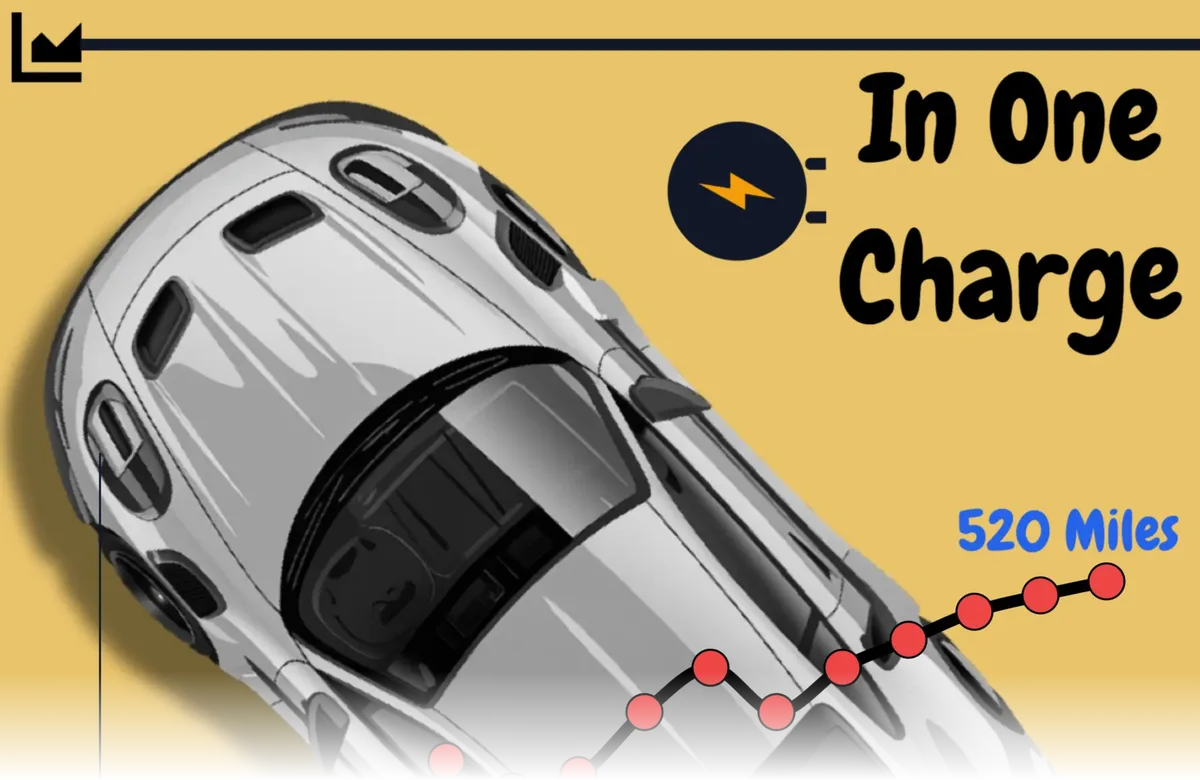
The Record Has Not Moved Since 2022
The highest EPA rated range climbed from 94 miles in 2011 to 520 in 2022, a rise of 96 per cent. Since then it has gone backwards slightly, to 512. The average car keeps improving while the best car has stalled, so the honest answer depends on which of the two you meant. Ratings under WLTP or NEDC sit in separate columns throughout, because those cycles read 25 to 30 per cent higher for the same car.
Verdict: holds up
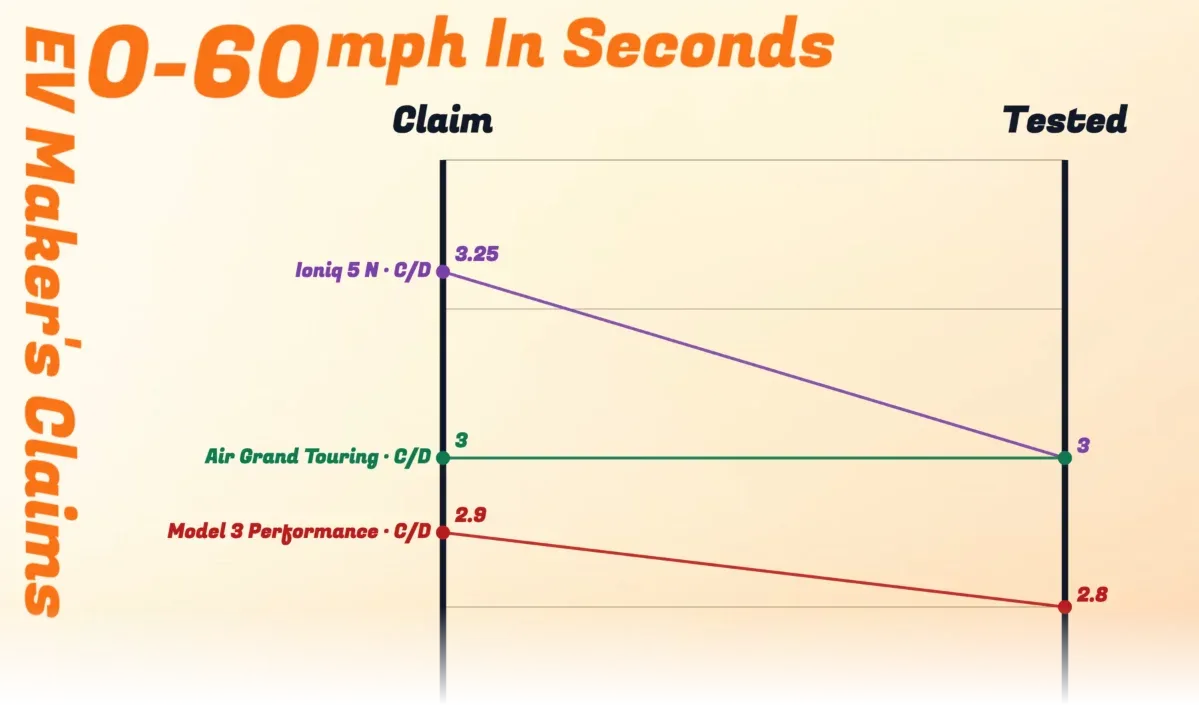
Acceleration Claims Are Beaten More Often Than Missed
Across fifteen instrumented tests, five beat the maker’s claim by 0.15 seconds or more, two missed it by that much, and eight landed within rounding. The premise most people start from is backwards. What nobody prints is the condition: United States instrumented times subtract a one foot rollout worth about 0.2 seconds, which on its own is enough to reverse the apparent winner.
Verdict: holds up
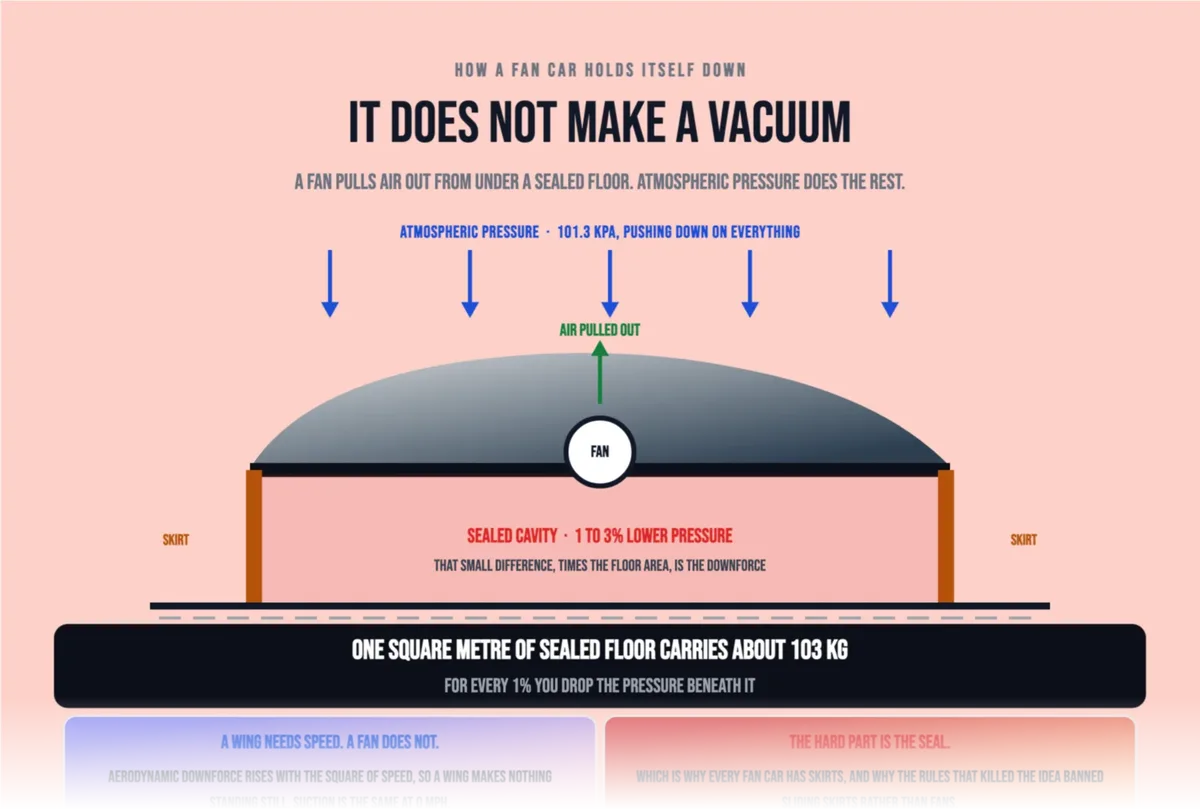
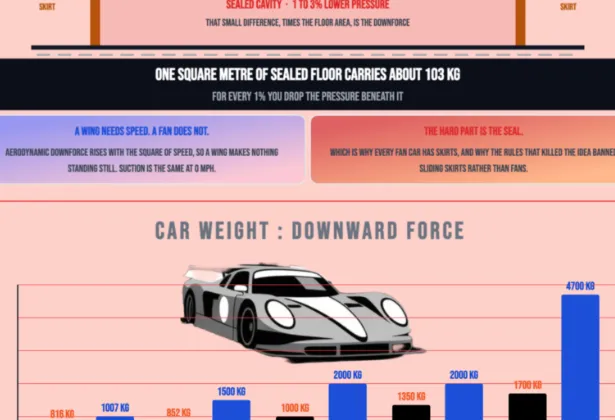
A One to Three Per Cent Pressure Drop Is the Whole Trick
A fan pulls air from under a floor sealed to the road by skirts. The pressure below drops a little, atmospheric pressure above does not, and the difference across a large floor area presses the car down. One square metre of sealed floor carries about 103 kg for every one per cent you drop the pressure beneath it. No vacuum is involved, and the hard part was never the fan. It was the seal, which is what killed the idea in Formula One rather than the fan itself.
The Whole Cluster on One Screen
Every Claim, Its Verdict and the Word That Hides the Work
Each row is one post. The verdict is on the popular claim, not on the company.
| The Roadster can fly | Fails | About 5 seconds of thrust per fill | "Fly" means a brief thruster hop, not sustained flight |
| Driverless cars drive themselves | Narrower | 4 of 20 logged a driverless mile | "Driverless" names a permit level, not a capability |
| EV range is still getting better | Narrower | Record 520 miles, set in 2022 | "Range" means the average car or the best car, never both |
| EV makers miss their 0 to 60 claims | Holds up | 13 of 15 tests within 0.15 s | "0 to 60" may or may not subtract a one foot rollout |
| Fan cars work by suction | Holds up | A 1 to 3 per cent pressure drop | "Suction" is a small pressure difference over a big area |
Verdicts are ours. Each figure is sourced in the post it links to, and every post states its measurement before its number.
Quick Answers
Which car technology claim turned out to be false?
The Tesla Roadster does not fly in any sustained sense. Cold gas thrusters give roughly five seconds of boost per fill, the tank then takes two to six hours to refill, and the jump peaked at 27 feet.
Are electric car makers honest about 0 to 60 times?
Mostly yes, and more so than expected. Across fifteen instrumented tests, five beat the maker’s claim by 0.15 seconds or more and only two missed it by that much. The uncertainty is in the test conditions rather than the claim, because United States instrumented times subtract a one foot rollout worth about 0.2 seconds.
How many companies have tested a car with nobody in the driver seat?
Four, out of the twenty that reported testing on California public roads in the year to 30 November 2024. Six companies hold the permit that allows driverless testing, and exactly one is authorised to charge a fare for the ride.
Why do these posts disagree with the headline numbers elsewhere?
Usually because the headline compares two different measurements. Each post here states which measurement it is using before it gives a number, and keeps incompatible regimes in separate columns rather than converting between them.
Data Source and Attribution
California DMV autonomous vehicle program fueleconomy.gov vehicle dataset FIA Formula One Technical Regulations
Every figure on this page is carried over from the post it links to, where its source, date and basis are given in full. Nothing is introduced here for the first time, and nothing is averaged across posts.
The images are cropped from each post’s own visualization and show only its upper portion on purpose. The complete chart, the full table and the download sit on the post itself.
The verdicts are ours. They judge the popular claim rather than the company, and each section names the term the claim depends on.
Where two cuts of the same data give different answers, both are published in the post rather than reconciled into one. FactsFigs reviews, cleans and cross-checks every source dataset before shaping it into a data story.
Last verified: 21 Oct 2026
Related Publications
More from FactsFigs
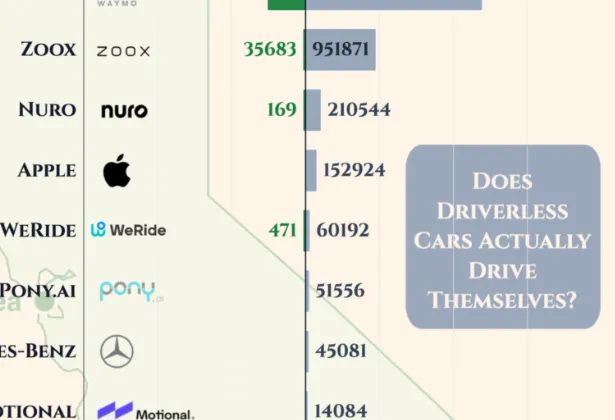
Which Driverless Cars Actually Drive Themselves?
California publishes every autonomous testing mile. Four of twenty companies have driven without a human aboard, and Waymo is 93 per cent of those miles.
20 Oct 2026
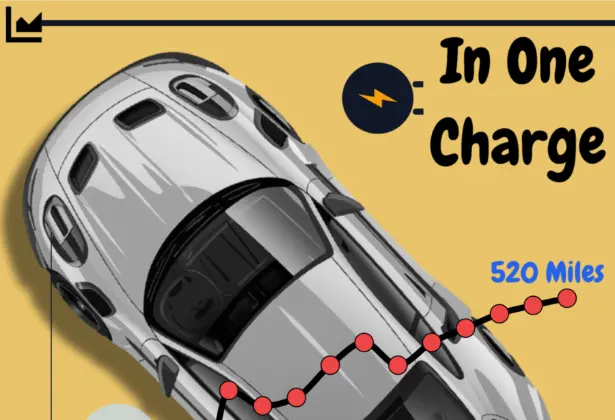
Is EV Range Still Getting Better?
The highest EPA-rated range peaked at 520 miles in 2022 and has slipped to 512. Meanwhile the median electric car went from 82 miles to 295.
19 Oct 2026
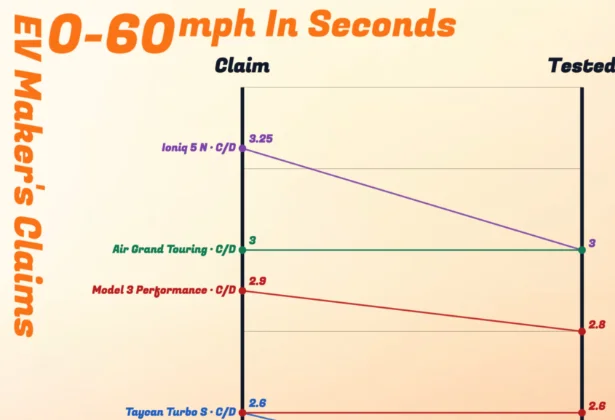
Do the Fastest EVs Really Hit Their 0 to 60 Claims?
Tesla claims 1.99 seconds for the Plaid, measured with a one-foot rollout. Here is what Car and Driver and MotorTrend actually recorded, for it and fourteen other runs.
19 Oct 2026
How Does a Fan Car Hold Itself Down?
Suction, not a wing. Every fan car since the 1970 Chaparral presses down harder than it weighs, and only one has ever been shown driving upside down.
19 Oct 2026